Reviving Unsung Tenor Saxophone Masters
THE RETURN
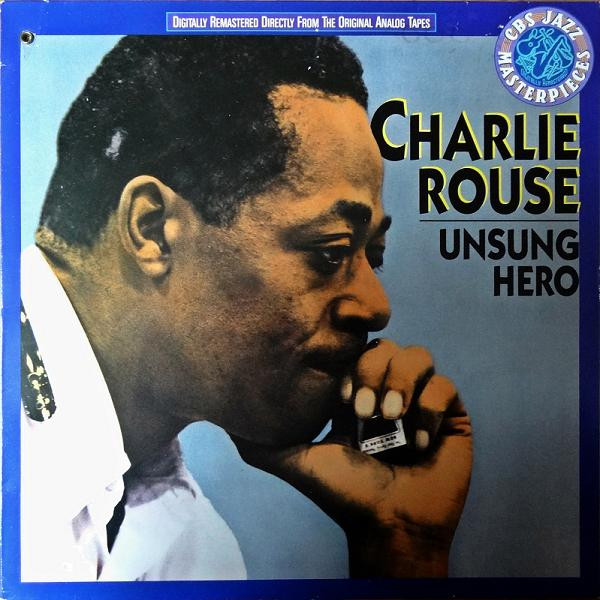
Fourteen years ago, I began a series here at CurtJazz.com called Unsung Saxophone Masters.
I wrote one entry.
Then life, radio, teaching, and a thousand other beautiful distractions carried me in different directions. The series quietly sat there; unfinished, like an unresolved cadence.
But some music waits.
The tenor saxophone, perhaps more than any other instrument in jazz, carries stories. These stories deserve to be told again. They especially include the stories of those who stood just outside the spotlight. As we revive this series, we will start with the tenor players.
When we think of the great jazz tenors, certain names come instantly to mind: Coltrane. Rollins. Webster. Getz. Shorter. Giants, all of them.
But jazz history, and jazz listening, is far richer than its headline names.
This series is about the masters who:
- Recorded brilliantly but briefly
- Worked steadily but without myth
- Influenced deeply but quietly
- Never quite became the brand
These are not “minor” players. They are musicians of consequence whose legacies deserve deliberate attention.
Back in 2012, I began with Curtis Amy. He was a West Coast tenor with Texas roots. He had a preacher’s warmth in his tone and a sense of spiritual grounding. This often gets overlooked in discussions of Los Angeles jazz.
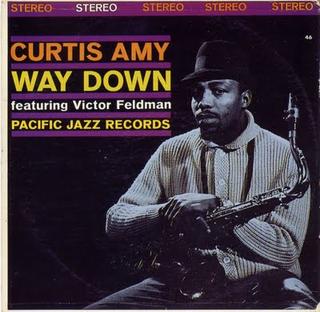
Amy was never marketed as a movement leader. He was never canonized. But listen closely to Way Down or his sideman work, and you hear authority. Depth. Patience.
He was not unsung because he lacked substance.
He was unsung because history can be selective.
And so, we return.
In the coming installments, we will revisit voices such as:
- Tina Brooks — the brilliant Blue Note modernist whose recorded legacy is heartbreakingly small
- J.R. Montrose — harmonically bold, often mislabeled as “West Coast cool”
- Harold Land — steady, searching, and perpetually underrated
- And others whose work shaped the sound of modern jazz without always shaping its marketing
This will not be a nostalgia project.
It will be a listening project.
Each post will explore:
- The sound
- The context
- The sideman work
- The overlooked sessions
- The emotional center of the player
Because jazz history is not only written by the most visible.
It is carried in tone.
If you’ve followed CurtJazz Radio for any length of time, you already know that we program beyond the obvious. This series simply gives that philosophy a written home again.
The tenor saxophone remains the storytelling horn of modern jazz.
The posts in this series will appear once a week.
Let’s listen to the stories we missed.
I’m not going to leave you musically empty handed. Here’s a sampling of some excellent tenor work on that greatest of tenor jam tunes: “The Eternal Triangle”. Featured are three modern cats. They all deserve wider recognition. They are Eric Alexander, Ralph Lalama and Tad Shull with the great organist Mel Rhyne. . Let this tide you over until our next post in the series, which will feature Harold “Tina” Brooks.


March 3, 2026 at 5:27 pm
Yeah, Curtis, I love learning more about ‘lesser’ Jazz musicians. This tenor review is good stuff. Thanks very much. – Stuart, CharlotteSent from my iPhone
March 5, 2026 at 4:30 pm
Curtis,
My name is Dave Collins. My wife and I are long time jazz fans and, together with six or seven friends, are regulars at the Jazz Arts events. We appreciate all you’ve done for jazz in Charlotte. As you point out at the end of every introduction, “Jazz lives here in Charlotte,” and much of that is due to you.
I’m writing today because I am on the Board of Directors of an organization here in Charlotte called Senior Scholars. We are a group about 800 strong who meet Friday mornings at 10:00 a.m. (September through May) to hear experts on topics that range from developments at the Charlotte Airport to problems caused by microplastics in the environment (and everything you can imagine in between). We meet at the Providence United Methodist Church and each meeting draws an in-person audience of 200-250 with another 75 or so attending by Zoom. The speaker each Friday usually talks for about 40 minutes with an addition 10 or 15 minutes for the inevitable Q and A session.
As you can probably foresee, I’m writing to invite you to give one of those talks either this spring or next fall. The subject would be one of your choosing, perhaps some particularly fascinating aspect of jazz history, the story of a movement within jazz history, or a profile of a musician you particularly like. There will be jazz fans in your audience–beginning with myself, my wife, and our friends–but most of the audience would probably be made up of people who recognize the names of a few jazz greats, maybe even have a favorite or two, but haven’t gone deep into the music. Most of our speakers use a slide presentation. I can see that for you and I’d expect to hear at least excerpts from a few recordings.
If you’re agreeable, Senior Scholars would gain an entertaining program. By way of compensation, you’d have the opportunity to promote Jazz Arts, your blog, and your radio show. Not to mention bringing a few more people into the jazz community here in Charlotte.
My email address is: oldprof40@gmail.com. My phone is: 573-826-1272. Please let me know if you’d be willing to come and speak to us. I’d be happy to address any questions you might have.
Dave Collins