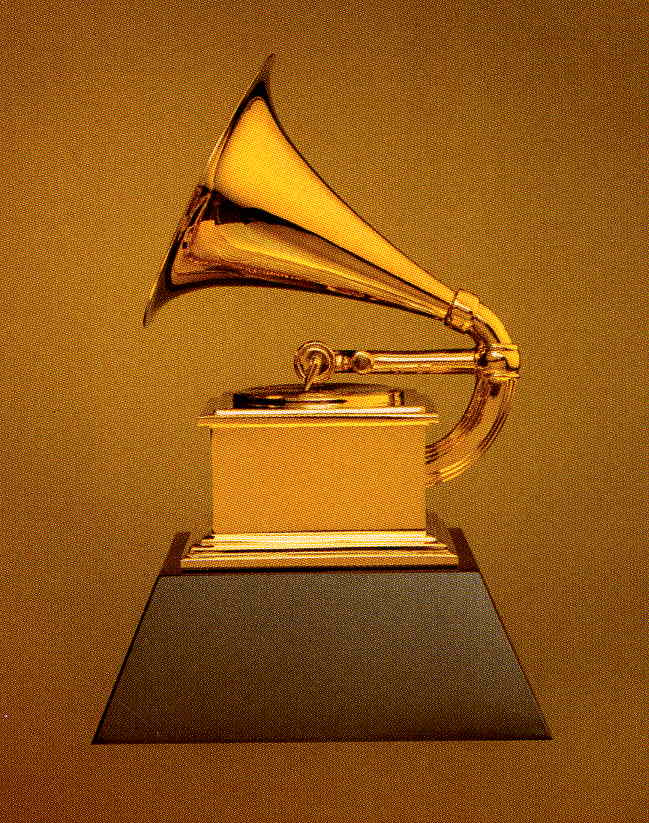
Here is a list of the jazz performances that were nominated for a Grammy at the 57th Grammy Awards, which will be presented on February 8, 2015. Our list includes the Instrumental categories, which are usually dominated by jazz artists. Our posts of commentary and predictions will follow in January 2015.
Improvised Jazz Solo
“The Eye Of The Hurricane,” Kenny Barron
“Fingerprints,” Chick Corea
“You & The Night & The Music,” Fred Hersch
“Recorda Me,” Joe Lovano
“Sleeping Giant,” Brad Mehldau
Jazz Vocal Album
“Map To The Treasure: Reimagining Laura Nyro,” (Billy Childs &) Various Artists
“I Wanna Be Evil,” René Marie
“Live In NYC,” Gretchen Parlato
“Beautiful Life,” Dianne Reeves
“Paris Sessions,” Tierney Sutton Jazz Instrumental Album
“Landmarks,” Brian Blade & The Fellowship Band
“Trilogy,” Chick Corea Trio
“Floating,” Fred Hersch Trio
“Enjoy The View,” Bobby Hutcherson, David Sanborn, Joey DeFrancesco Featuring Billy Hart
“All Rise: A Joyful Elegy For Fats Waller,” Jason Moran
Large Jazz Ensemble Album
“The L.A. Treasures Project,” The Clayton-Hamilton Jazz Orchestra
“Life In The Bubble,” Gordon Goodwin’s Big Phat Band
“Quiet Pride: The Elizabeth Catlett Project,” Rufus Reid
“Live: I Hear The Sound,” Archie Shepp Attica Blues Orchestra
“OverTime: Music Of Bob Brookmeyer,” The Vanguard Jazz Orchestra
Latin Jazz Album
“The Latin Side Of Joe Henderson,” Conrad Herwig Featuring Joe Lovano
“The Pedrito Martinez Group,” The Pedrito Martinez Group
“The Offense Of The Drum,” Arturo O’Farrill & The Afro Latin Jazz Orchestra
“Second Half,” Emilio Solla Y La Inestable De Brooklyn
“New Throned King,” Yosvany Terry
Contemporary Instrumental Album
“Wild Heart,” Mindi Abair
“Slam Dunk,” Gerald Albright
“Nathan East,” Nathan East
“Jazz Funk Soul,” Jeff Lorber, Chuck Loeb, Everette Harp
“Bass & Mandolin,” Chris Thile & Edgar Meyer
Instrumental Composition
“The Book Thief,” John Williams (John Williams)
“Last Train To Sanity,” Stanley Clarke (The Stanley Clarke Band)
“Life In The Bubble,” Gordon Goodwin (Gordon Goodwin’s Big Phat Band)
“Recognition,” Rufus Reid (Rufus Reid)
“Tarnation,” Edgar Meyer & Chris Thile (Chris Thile & Edgar Meyer)
Arrangement, Instrumental or A Cappella
“Beautiful Dreamer,” Pete McGuinness (The Pete McGuinness Jazz Orchestra)
“Daft Punk,” Ben Bram, Mitch Grassi, Scott Hoying, Avi Kaplan, Kirstie Maldonado & Kevin Olusola (Pentatonix)
“Get Smart,” Gordon Goodwin (Gordon Goodwin’s Big Phat Band)
“Guantanamera,” Alfredo Rodríguez (Alfredo Rodríguez)
“Moon River,” Chris Walden (Amy Dickson)
Arrangement, Instruments and Vocals
“All My Tomorrows,” Jeremy Fox (Jeremy Fox Featuring Kate McGarry)
“Goodnight America,” Vince Mendoza (Mary Chapin Carpenter)
“New York Tendaberry,” Billy Childs (Billy Childs Featuring Renée Fleming & Yo-Yo Ma)
“Party Rockers,” Gordon Goodwin (Gordon Goodwin’s Big Phat Band)
“What Are You Doing The Rest Of Your Life?” Pete McGuinness (The Pete McGuinness Jazz Orchestra)
Also worth noting is that Robert Glasper’s Black Radio 2 received two nominations in the R & B categories, for Best R & B Album and Best Traditional R & B Performance (for “Jesus Children of America”).
FACE FORWARD, JEREMY – HighNote Records HCD 7259 www.jazzdepot.comHigby Part 1; Stars are Free; Princess Charlie; The Calm Before The Storm; Glimpse; Rastros; In My Grandfather’s Words; The Secret Code; Verse
PERSONNEL: Jeremy Pelt, trumpet; Roxy Coss, soprano saxophone, tenor saxophone, bass clarinet; David Bryant, piano, organ, Fender Rhodes, Wurlitzer; Frank LoCrasto, Fender Rhodes; Chris Smith, acoustic bass, electric bass; Dana Hawkins, drums, drum programming; Fabiana Masili, vocals; Milton Suggs, vocals; Brandee Younger, harp; Jennifer Shaw, cello
By Curtis Davenport
While some of his contemporaries have been grabbing the headlines, Jeremy Pelt has been quietly amassing an impressive and diverse résumé consisting of some of the more compelling jazz performances of this brief century. Though his recorded performances have mostly leaned toward the mainstream, Pelt has of late begun to delve into the fusion side of his persona with musically satisfying results. I always get the sense that Mr. Pelt is seeking; looking to bring a fresh perspective to his projects. As look back at his catalog as a leader, which now stands at a dozen albums, I realized that each of his records was in some way different from the last. And his latest album, Face Forward, Jeremy is no exception.
This album can be considered a sequel of sorts to Pelt’s prior release, the moodily gorgeous Water and Earth. The same musicians appear on both albums and in each case David Bryant’s dreamy Fender Rhodes is a centerpiece; serving as an atmospheric foil for Pelt’s trumpet and Dana Hawkins’ complex rhythmic patterns. Mr. Pelt states that one of his biggest influences for this album was Herbie Hancock’s Mwandishirecordings of the early ‘70’s, which would also explain the prominence of the electronic keyboards. But whereas the group seemed at times to be finding its way on Water and Earth, their performances on Face Forward, Jeremy are more confident. They have played together for a while as a unit and they are certain of what they want this music to sound like.
Among the cuts that I have revisited numerous times are “Stars Are Free”, which brings bassist Chris Smith to the fore for some strong Jaco-like fretwork, supported by guest star Frank LoCrasto’s insistent comping on the Rhodes, which then slides into a fleet fingered solo. “Princess Charlie”, dedicated to Pelt’s two-year old daughter, has a distinct Brazilian influence, a hummable melody line that will stick with you long after the track is done, tasty solos by Mr. Pelt and Roxy Coss on soprano sax and a Flora Purim-like wordless vocal from Fabiana Masili. In fact, I loved both of Ms. Masili’s appearances on the disc, the other being “Rastros”, a brief track of quiet beauty, which in addition to Ms. Masili, is elevated by Jennifer Shaw’s cello and the support of the finest jazz harpist working today, Brandee Younger. “The Calm Before The Storm”, a Coss composition, will grab you, starting with a soulfully compelling bass line (Chris Smith is one bad cat), with Bryant’s Rhodes layered on top, before Pelt and Coss (on tenor) hit us with a sharp melody statement and brief but rich solos. The leader’s showpiece however is “Glimpse” an uptempo romp that gives Pelt plenty of room to blow; and he does, demonstrating that a great trumpet solo doesn’t need flashy pyrotechnics, just an inspired musician with numerous ideas. Ms. Coss follows the leader with a strong tenor statement of her own. I haven’t heard her yet outside of Pelt’s group but I like Roxy Coss. She has already developed her own voice on her horns and she sounds like she is just beginning to put it to excellent use.
Though Jeremy Pelt has found a nice groove with his fusion group and turned out a very good album here, I get the feeling that we’ll hear something different from him next time. I hope so because that kind of restless creativity will help Pelt and those of his generation to keep jazz alive and relevant.
HEROES + MISFITS – Concord Jazz CJA-34353-02 www.concordmusicgroup.comForever Spring; Wake The Neighbors; #TheProtestor; Vices and Virtues; Forget-Er; Wonderlove; Forever Wonder; Drift; First; Ways of Light
PERSONNEL: Kris Bowers, piano, keyboards; Julia Easterlin, vocals; José James, vocals; Chris Turner, vocals; Casey Benjamin, alto saxophone; Kenneth Whalum III, tenor saxophone, Adam Agati, guitar; Burniss Earl Travis II, bass; Jamire Williams, drums
By Curtis Davenport
Those who run around declaring jazz to be “dead” are often purists; those who want to only hear the music as it was performed 50 years ago or more. And while the strains of swing, bop, modal and even free jazz as it was then aren’t as publicly relevant as they once were, there are a lot of exciting young musicians out there who have heard their elders and hold them in high regard but refuse to force the music to stagnate and yes, “die” in that place. They will play jazz as they hear it. For them, jazz doesn’t have to be “pure”, just good and relevant. One of those young musicians is Kris Bowers. His debut album is Heroes + Misfits.
Bowers is a 24-year-old Los Angeles native who was raised on the “old school” R&B (Stevie Wonder, Marvin Gaye, Earth Wind and Fire, etc.) that was favored by his parents. Like many of his age, he was strongly influenced by the hip-hop of the nineties and the first decade of this century. Unlike many of his age, Bowers was also fascinated by the film music composed by John Williams, Danny Elfman, Howard Shore and others. Though he had been taking classical piano lessons since he was very small, he soon turned his attention to jazz instruction. In high school, Bowers discovered and was inspired by, the solo recordings of Oscar Peterson. Moving to New York to attend Julliard, after high school, Bowers began working on the NYC jazz scene while studying at Julliard and taking private lessons with Eric Reed, Fred Hersch and Kenny Barron. While working on his Masters in Jazz Performance and Film Composition at Julliard, in 2011, Kris Bowers entered the prestigious Thelonious Monk International Jazz Piano Competition at the Kennedy Center in Washington, DC. He won the competition, which included among its prizes, a recording contract with Concord Records. Heroes + Misfits was born out of that contract.
I’ll tell you up front, if you pick up Heroes + Misfits expecting to hear Bowers play standards in the style of Peterson, Barron or even Eric Reed and your appreciation for jazz goes no further than there, then you are likely to be disappointed. But remember this; Bowers is 24, he grew up with hip-hop, he has also recorded with Jay-Z and Kanye West and toured with José James. My point is this, what is a “standard” to someone over 50 is not going to be a standard to someone half that age.
So what do you get on Heroes + Misfits? There is excellent musicianship, from Bowers and a quintet of creative, forward thinking young musicians, including saxophonists Casey Benjamin (from Robert Glasper’s Band) and Kenneth Whalum III (Kirk’s nephew), drummer Jamire Williams, guitarist Adam Agati and Burniss Earl Travis II on bass. There are guest vocals from José James and others and there are many inspired compositions and compelling musical moments. What does it sound like? The best comparison would be to say that Heroes + Misfitsis similar to Robert Glasper’s Black Radio but less commercially oriented. The tracks that caught my attention were “#TheProtestor” inspired by Time Magazine naming of The Protestor as its 2011 Person of The Year. Williams and Travis set a contemporary meets jazz beat and Bowers takes a rich, moving solo as he is pushed by a bit of dissonance from Benjamin’s alto. “Forget-Er” the album’s first single features vocalist Julia Easterlin singing a haunting lead line over her own multi-tracked background vocals, before Bowers and the rhythm section enter a with a commanding statement of their own. “Wonderlove”, a track obviously inspired by Stevie Wonder, is strong modern pop/soul with a Stevie Meets Donny Hathaway vocal from Chris Turner and a beat set by Williams that will remain with you after the song ends. Most impressive are the trio of tracks that close the album “Drift”, the closest to a traditional jazz track features the saxophones, with Kenneth Whalum displaying that big tenor sound that clearly runs in his family, “First” is a brief and wistful piano solo, which sets the stage for “Ways of Light”, a melancholy, reflective vocal feature for José James, who every time that I hear him, comes closer to being the definitive male jazz vocalist of his generation.
So is jazz dead? Absolutely not. Is it taking a different and more viable direction for our time, in the hands of visionary young artists such as Kris Bowers, making music like Heroes + Misfits? I say “Yes” and in the end, those who love jazz will be better for it.
303 – GRE-CD-1035 www.greenleafmusic.comMimi Sunrise; Play on Words; Prayer (for the People); Goodnight Kinyah; Gangs of New York; High and Dry; Miles to Go (Sunset Road); 303; Ave Verum Corpus; Prayer (for the Earth)
Rudy Royston has put in a lot of work over the years on his way to his first set as a leader. Jazz fans have heard him keeping time behind Dave Douglas, Bill Frisell, Tia Fuller, J.D. Allen and others. His versatility has made him a first call drummer for straight-ahead jazz, avant-garde, soul jazz and everything in between. On 303, the first album under his name, Mr. Royston has put together a band of mostly unknown but capable musicians to produce a very forceful debut.
While 303 (named for the area code in Royston’s hometown of Denver) is definitely a jazz album, it’s one that can’t easily be categorized, which isn’t a surprise, considering the breadth of Royston’s experience. Royston is also confident enough to let the music take its time and for the personalities of his colleagues to show through in their solos. You don’t doubt that this is the drummer’s album but we are spared the spectacle of ten minute drum solos or of the drums being mixed way out front in order to prove it. Royston is joined by Sam Harris a strong young pianist who has also recorded with Ambrose Akinmusire and is currently playing with Linda Oh. Yasushi Yakamura and Mimi Jones split the bass duties. They are considered two of the top young bassists on the New York scene with Ms. Jones just having released her critically acclaimed second album, Balance. Jon Irabagon, a darling of the downtown free jazz scene (Mary Halvorson, Other People Do The Killing, etc.) and Nadje Noordhuis, an impressive Australian born trumpet player with a full, warm tone, are the horns and Nir Felder, a guitarist who is new to me but has been quite busy of late with Terri Lyne Carrington, Joey DeFrancesco and Eric Harland, rounds out the band.
Most memorable among the cuts are “Bownze”, a track that Mr. Royston says was inspired by Michael Jackson’s recording of “Rockin’ Robin”. While I didn’t hear any of the King of Pop in this cut, I did really dig Royston’s drum work and the way Irabagon’s staccato tenor punctuated the performance and Harris piano added some sweet chord fills. “Play on Words” is a driving straight-ahead tune on which Felder’s guitar and Irabagon’s tenor really shine, especially as he trades eights with Harris. “Miles to Go (Sunset Road)” is an irresistible laid back groove that rides along on Ms. Jones’ bass and Felder’s guitar, while the horns repeat a hypnotic figure. My only complaint about it is that it ended too quickly, which is too bad because there was an awesome Reggae/Jazz jam about to break out. “Gangs of New York”, which Royston says was inspired by both the Scorsese film and by the hardcore braggadocio of NYC rappers, starts out beautifully, contradicting its stated inspirations. Then, after a gorgeous trumpet solo by Ms. Noordhuis, the piece suddenly turns edgy, with short horn bursts announcing the “war” that is brought on by Felder’s rock tinged guitar. It was not expected but it was quite interesting.
Rudy Royston’s 303 is an impressive debut. It is the work of an artist who is willing to stretch jazz’s conventions as he grows but who is prepared to let others join him on the ride. I hope that Royston continues to work with this group of musicians because I think that they still have a lot more to say as a collective.
Well jazz fans, we had our annual 15 minutes of fame (literally) yesterday at the Grammys during the pre-show, which was not broadcast on television but streamed live on the web. The winners in the jazz categories included virtually no surprises. Those that won were either the favorites or highly touted possibilities right behind the favorites.
And the Winners Are:
Best Improvised Jazz Solo – “Orbits”: Wayne Shorter – soloist (From the album Without a Net[Blue Note Records])
The Hall of Fame saxophonist wins with his only nomination from his critically acclaimed return to Blue Note Records.
Best Jazz Vocal Album – Gregory Porter: Liquid Spirit(Blue Note Records)
In a very minor upset, Porter beats out the phenomenal young vocalist Cecile McLorin Salvant to win his first Grammy. I loved Porter’s totally real acceptance speech in which he blurted out “Hey! I got a Grammy!”
Another minor but welcome upset. In her acceptance speech the cool and classy Ms. Carrington noted that she was the first woman in history to win this particular award, which was surprising on one hand and then again, it wasn’t. It’s her second Grammy in the last three years; the other came for The Mosaic Project in 2012.
Best Large Jazz Ensemble Album – Randy Brecker, Wlodek Pawlik Trio & Kalisz Philharmonic: Night in Calisia (Summit Records)
No surprise here at all as Grammy voters went for the safe choice of the only name among the nominees that any of them had even remotely heard of. Mr. Brecker was not at the ceremony, leaving the acceptance chores to his Polish colleagues on the recording who struggled gamely with their English in an endearing but ultimately long-winded speech, which drew the only use of the “musical hook” that I heard while I was watching the pre-show.
Best Latin Jazz Album – Paquito D’Rivera & Trio Corrente: Song for Maura(Sunnyside/Paquito Records)
While this win was not at all unexpected, it was also utterly frustrating. For with all of the genuinely outstanding music nominated in this category, Grammy voters once again went with the most familiar choice. This is far and away not the travesty that last year was in this category but still, this award was given to a good album among some great ones. Mr. D’Rivera was also not in attendance which left the acceptance to the members of Trio Corrente, who looked to be in danger of getting the “musical hook” but didn’t.
And to wrap things up, a few “Random Thoughts” that I scribbled down during the pre-show and the broadcast Grammy Show:
It was great to see Latin Jazz pianist and Grammy nominee Roberto Fonseca being used as a segment presenter on the pre-show.Though English is not his first language, he soldiered on gamely, even when tasked with reading the rambling statement from an award winner who was unable to attend. Frankly, he did a better job that pre-show host Cyndi Lauper, who struggled mightily throughout. She even at one point starkly told the audience. “I F-ck-d Up”, which was true but unnecessary to say. I’m no language prude but it just struck me as a crudely contrived way to try to curry favor in the midst of her obvious difficulties.
It was great to see the wonderful composer/arranger Maria Schneider take home some Grammys for her classical work on Winter Morning Walks. I also loved her impassioned plug of ArtistShare during her acceptance speech. Now if only the jazz world would show her as much love…
I was disappointed that no jazz artists got to perform even during the pre-show. Yet, we saw fine artists of many other genres get to show their stuff. Has it now come to the point that a live jazz performance is not even welcome during the non-broadcast segment of the ceremony?
Daft Punk???
Pharrell’s hat???
Madonna’s outfit???
Taylor Swift’s dancing???
Taylor Swift’s Death Stare at the end of her performance????
Taylor Swift. Period. – Kanye, you did this to us!!!
Jay-Z basically referring to his award as a “sippy cup” for his daughter, was a lame attempt at humor that came off as arrogant. I’ve liked Jay-Z and Beyonce for a long time but they are starting to put me off (not that they care).
Chicago would have been better without Robin Thicke. And I wish that the cats still in the group and Peter Cetera and Danny Seraphine could all patch up their differences and give us at least one more taste of the real Chicago.
Loved Stevie Wonder, Nile Rodgers, Pharrell and Daft Punk’s jam. As a fellow prostate cancer survivor any time I see Nile Rodgers up there doing his thing it is inspirational to me.
That’s all I have to say about that. I’ll have more to say about other things though before the next Grammy season and I thank you for reading.
Our final Grammy preview touches on the Best Large Jazz Ensemble Album. While this category used to be home to the ghost bands of the great big band leaders, it has now become a place where you will find some of the most creative arranging and writing in jazz; from artists who often don’t even get to be heard on what remains of jazz radio (terrestrial and internet).
The nominees are:
Darcy James Argue’s Secret Society: Brooklyn Babylon (New Amsterdam Records)
This is by far the most ambitious project of any of those nominated in this category. Darcy James Argue conceived Brooklyn Babylon in collaboration with graphic novelist Danijel Zezelj, whose work evokes a mythic Brooklyn where the borough’s past, present and future collide. What you have musically is, well, everything. There are sections inspired by Sousa’s marches, others inspired by classical music; another inspired by New Orleans Second Lines and still more where you have a swinging 4/4 big band. It’s exactly what you’d expect if every musical culture in the history of Brooklyn managed to collide and intermingle. This music is never boring and at times inspiring. I’m afraid though that most Grammy voters won’t get it and therefore won’t vote for it.
Randy Brecker, Wlodek Pawlik Trio & Kalisz Philharmonic: Night in Calisia (Summit Records)
Now Randy Brecker on the other hand, they get. This recording is the result of a musical contribution to the celebration of the 1850th anniversary of Kalisz, the oldest city in Poland. The culmination took place in June of 2010 with a concert called ‘’Night in Calisia’’. The event was such a success the musicians decided to go into the studio to record the project nearly two years after the concert. The prolific trumpeter and the Polish pianist/composer Wlodek Pawlik, have created a beautiful slice of symphonic jazz. It’s not groundbreaking but it sounds like it is so Grammy voters will love it. Randy Brecker is also a name that they know. This album stands a very strong chance of winning.
Brussels Jazz Orchestra (feat. Joe Lovano): Wild Beauty(Half Note)
Wild Beauty features the great Joe Lovano’s inimitable tenor sound, blowing hard over some of his own compositions wrapped in terrific Gil Goldstein arrangements performed by the Brussels Jazz Orchestra. It’s one of Lovano’s most accessible sets and hearing it here reminded me what a fine writer Lovano is. Lovano’s tunes make this my favorite set of all of those nominated. When you add in Lovano’s relative renown, this set has to be considered a co-favorite with the Brecker album.
Trombonist Alan Ferber’s March Sublime features mostly his compositions and arrangements, performed by some of the best session players in New York today. The arrangements are very good and they are performed very competently. Ferber’s band is a contemporary one, that is to say that they concentrate not on the swing era but on the style of big band music that has been written and performed in the latter decades of the 20th Century and into the 21st. Though this is a nice album, I think that it is a long shot to win today.
Intrada is veteran West Coast composer/arranger Dave Slonaker’s first album as a leader. He has filled it with hard-hitting brassy arrangements that swing like mad. Intrada hearkens back to the time when all of the late night talk shows had big bands, stocked with some of the best jazz cats on the left coast, paying the rent and making their intros and outros cook. Again, this album is a Grammy long shot but it’s an impressive showcase for Slonaker’s skills.
So here is my final bottom line unscientific prediction:
Should Win: Darcy James Argue
Will Win: Randy Brecker
Thanks to all of you who have taken the time to read my previews. I hope that you’ve found them informational even if you disagreed with me. I will be live tweeting during the pre-show, when these awards are being presented.
The Latin Jazz category was thankfully added back to the Grammys last year. Unfortunately, it was promptly made a mockery of by the selection of the worst of the nominated albums for the award and by the arrogance of the winner in his long-winded acceptance speech. As in most of the other jazz categories this year, Latin Jazz features a very strong and culturally diverse set of nominees representing a broad spectrum of the Latin Jazz experience. This time, any of them would be a deserving victor.
I confess to having never heard of Buika before her nomination. She has a new fan in me. The Miami based singer grew up in Spain. Her parents are from Equatorial Guinea. On La Noche Más Larga Buika sings mostly in her native Spanish but also in English on a stunning version of “Don’t Explain”. This album mines the connection between flamenco, Afro-Cuban music and jazz to remarkable effect and Buika’s captivating voice is just the instrument to being it to us. Now will she win a Grammy? Most likely not, as most U.S. listeners are in the same boat as I was before December. But do your homework people and listen to this amazing vocalist!
Paquito D’Rivera & Trio Corrente: Song for Maura(Sunnyside/Paquito Records)
This is the second nomination this year for Paquito D’Rivera. The title track from this album was also nominated for Best Improvised Jazz Solo. Though he is naturally associated with the music of his native Cuba, Mr. D’Rivera has often dabbled in Brazilian rhythms. He dives in headfirst on this album with the Brazilian Trio Corrente. He avoids the familiar Brazilian compositions and leaves most of the arranging to his counterparts in the group. His alto sax and clarinet wrap around the music like a glove. It’s a very good and extremely listenable album. D’Rivera’s is the most recognizable name on this list which makes him a prohibitive favorite to win this award.
This Cuban pianist knocked my socks off with his command of the keyboard that can turn from percussively powerful to lyrically soft at the drop of a hat. It’s Jazz cum Afro-Cuban cum R&B and it just flows from beginning to end. Again, his lack of name recognition in the U.S. will work against him today, as he is a long-shot to win this award.
This album was born when Omar Sosa received a commission from the Barcelona Jazz Festival to compose and produce a tribute to Miles Davis’ Kind Of Blue. However, instead of just wrapping a Latin beat around the famous Davis tunes as so many have done before, Mr. Sosa takes the essence of the compositions or even one of the saxophone solos from the original and forms brand new works from them, using Cuban and West African rhythms as a bed. It’s a thrilling album, especially if you’re a lover of the source material. In a just world, Eggun would be the Grammy winner. However Mr. Sosa is probably going home empty-handed.
It’s about time that Grammy got around to recognizing trombonist Wayne Wallace who is one of the best Latin Jazz/Afro-Cuban musicians on the West Coast and maybe in the whole country. Mr. Wallace and his cohorts stick to the classic Mambo/Merengue/Plena style of the genre made famous by Puente, Machito, Bauzá and others. He also throws in a few surprises (such as a flute/violin/trombone “horn section”) to keep things lively. I still think that D’Rivera will win this award but if anyone in this category will pull an upset, it will be Wayne Wallace.
So here is my bottom line unscientific prediction:
Here we go with the second of the two major Jazz Grammy races; Best Instrumental Jazz Album. Like the award for the vocalists, this award seems to carry a bit more prestige than the others, whether it’s deserved or not. Also like the Jazz Vocal Album award, this year’s race features its strongest field in quite a while. Any of these five nominees would be a worthy winner. But as in all of the other categories, name recognition and industry politics will likely play a role in who comes out on top. A couple of notable things: First, although Hall of Famers Chick Corea and Wayne Shorter released new projects this year, neither has been nominated in this category. Second, two record labels split the all of the nominations for the category, Concord Jazz and Mack Avenue.
The nominees are:
The New Gary Burton Quartet: Guided Tour(Mack Avenue Records)
Guided Tour is the second offering from Gary Burton’s latest group, a strong aggregation, which includes four virtuoso players, including Julian Lage who is a terrific young guitarist and the amazing Antonio Sanchez on drums. The music is easy-going and extremely well performed. However when I first heard it, it left me a bit cold and that feeling has never gone away. Nevertheless, I pick them as a favorite to win because of Burton’s familiarity with the voters.
One of the most pleasant surprises of the Grammy ceremony two years ago was Terri Lyne Carrington’s Grammy win for her brilliant album The Mosaic Project. On this follow-up, Ms. Carrington decided to do something fairly daring; re-imagining the one of the holy books in jazz’s canon, the Money Jungle album that featured the once in a lifetime trio of Duke Ellington, Charles Mingus and Max Roach. With Gerald Clayton on piano and Christian McBride on bass, Carrington thankfully chooses not to recreate the originals but instead uses them as starting points for some interesting interpretations. Guest spots from Lizz Wright, Antonio Hart and longtime Carrington mentor Clark Terry help to give fresh perspective. It’s a tight race in this category and Ms. Carrington has won before. I’d give her a solid chance to do it again.
Life Forum represents another in a string of Grammy nominations for this increasingly busy young pianist. It was a departure from his previous trio focused efforts and included vocalists (Gretchen Parlato and Sachal Vasandani) and horns (Ambrose Akinmusire, Dayna Stephens, Logan Richardson). These additions added a spark and warmth that had been missing from Clayton’s prior albums, making it his most listenable project. But because he is the “baby” of this bunch, he is a long shot to win on Sunday night.
Pushing the World Away is Kenny Garrett’s second consecutive nomination in this category. It was kind of surprising to see Garrett return with another strong album within 12 months of his last one (Seeds from the Underground) but Mr. Garrett said that he felt that he “had a lot of music” in him after the last project. Which may explain why Pushing the World Away sounds relatively similar to its predecessor. Which isn’t the worst thing in the world as I felt that Seeds… was one of 2012’s best Jazz albums and one of the bests of Garrett’s long career. I wouldn’t make him the favorite but I’m getting a sneaking feeling that he just may pull this off.
Christian McBride Trio: Out Here(Mack Avenue Records)
This is a back to basics trio date with two very exciting featuring the best (and busiest) bassist in jazz with two young cohorts; pianist Christian Sands and drummer Ulysses Owens, Jr. There’s nothing new here but what they do, they do stunningly well. It’s three world-class musicians, playing some standards, some originals and a couple of fun surprises. I’m personally rooting for these cats but based on Grammy’s history in this category, I don’t think they will win.
So here is my bottom line unscientific prediction:
Should Win: Christian McBride Trio
Will Win: The New Gary Burton Quartet
In the next post, we will touch on what is surprisingly, the most eclectic group of nominees in this year’s jazz categories – Best Large Jazz Ensemble Album.
I have to confess that this year’s list of the best jazz albums feels somehow incomplete. The albums on the first list, posted in early August and the ones in this article are all outstanding but as much as I get to hear, due to my vocation and avocation, I still have missed so much this year.
In part, this is a good thing because artists now have more freedom than ever to self produce and release their works without having to beg for record company crumbs. However, one of the bad things is that the distribution of these projects often leaves much to be desired. So there’s much out there that I’ve heard of but haven’t been able to get my hands on in any format. Something tells me my “Ones I’ve Missed” list in 2014 is going to be pretty large.
That being said, here are the favorite releases that I’ve heard since July. As always, they are in alphabetical order by album title, not preference:
It’s a marriage of several disparate elements that come together to create musical perfection: Ms. Mitchell’s flute playing off of Jason Adasiewicz’s vibes, producing the sound that gives the group its name; their AACM sensibility, leavened by a hint of Chicago Soul and some of the best compositions that I’ve ever heard from Ms. Mitchell. They have managed to stay true to their artistic roots yet make the music more accessible. No small feat but they pull it off with aplomb.
Mr. Charles, a young trumpet player originally from Trinidad, creates a successful marriage of straight ahead jazz and the musical styles of the Caribbean and New Orleans. Many have tried to do the same thing with only moderate success. Etienne Charles nails it, big time. Those who want to understand how to fuse groove and jazz without “selling out” should use this disc as a primer. (Read my full review for Jazz Inside MagazineHERE.)
Leave it to Rene Marie to wait until the tail end of the year to release a masterpiece. She clearly has a strong affinity for her subject and instead of imitating the legendary performer; she draws Ms. Kitt’s style inside of her own and creates some fresh renditions of some of Eartha’s classics. She also creates a smoldering original tune “Weekend” which might have made even the legendary Kitt blush. Ms. Marie’s performances are sexy, playful, charming, foreboding and thought-provoking; often at the same time. It’s Ms. Marie’s best album since Vertigo and it may even top that classic.
With his third outstanding album in three years, Mr. Porter continues to carve out a niche for himself as either the most soulful jazz singer or the jazziest soul singer working today. Porter has melded the low-key sensitivity of Bill Withers to the jazz sensibility of a young Al Jarreau. He is also a damn good composer, dropping a few of his own tunes on this album, such as “Hey Laura” and “Brown Grass” that I expect to hear being covered by other singers in the near future. Plus he does a dynamite cover of one of my faves from Max Roach and Abby Lincoln, “Lonesome Lover”. Will Porter take home the Grammy this year? Knowing Grammy’s unpredictability, who knows? But I think that he has a good shot in at least one of the two categories that he’s nominated in.
The prodigiously gifted drummer takes us all over the jazz map in a little over 50 minutes; from swing to post-bop, to free, with numerous stops in between. Her working band of three years, which includes pianist Myra Melford; bassist Todd Sickafoose and the wonderful violinist Jenny Scheinman, has coalesced into a solid unit who play off of each other incredibly well. Their musical trust for each other has allowed them to bring out the best in Ms. Miller’s compositions and for them to turn performances in different directions on a dime.
It’s no surprise that Mr. McBride is a fan of James Brown, because he is the hardest working bassist in jazz. Besides being the first call sideman for almost everyone in jazz today, he managed also to release two albums in 2013 under his own name, one with his Inside Straight aggregation and the other was this album, a back to basics trio date with two very exciting young cohorts; pianist Christian Sands and drummer Ulysses Owens, Jr. There’s nothing new here but what they do, they do stunningly well. It’s three world-class musicians, playing some standards, some originals and a couple of fun surprises. I hope that this isn’t just a one-off but if it is, it’s an impressive one.
What has gotten into Ahmad Jamal? All of a sudden, in his eighties, Miles Davis’ favorite pianist has become not only incredibly relevant again but I daresay, downright funky. First on last year’s Blue Moon and now on Saturday Morning. Egged on by the percolating grooves laid down by bassist Reginald Veal and drummer Herlin Riley, the octogenarian reminds Robert Glasper and Co., where they got it from. His piano lines are still tasty and tasteful and not the least bit stale. Long live Mr. Jamal, I hope that he keeps going and continues to create music like this for many years to come.
This album is here for two reasons: one is its remarkable leader, who I consider to be one of the best jazz pianists of his generation. Mr. Chestnut is the natural successor to Bobby Timmons in the “Soulful Jazz Pianist” category and his teaming over the last few years with bassist Dezron Douglas and drummer Willie Jones III seems to have re-energized him. The second reason is the presence of trumpeter Freddie Hendrix on this album. Mr. Hendrix is a remarkably talented musician who has been criminally under recorded. In fact, as of this writing, he has yet to lead a recording date. Hendrix stylistically (and even physically, somewhat) reminds me of another more well-known jazz trumpeter with the same first name and last initial. Throughout the album, he threatens to steal the show from the leader and at times, he does. And for bonus points, Chestnut and Jones used Max Roach’s rare album Drums Unlimitedas an inspiration for the cover. Very cool indeed!
Here’s another jazz veteran undergoing a bit of a career renaissance. The youngest of the Heath Brothers has recorded abundantly as a sideman on some of jazz’s greatest albums and quite a bit with his brothers over the years but very little as a leader. So here we have the 78-year-old “Tootie” working with relative youngsters Ethan Iverson of The Bad Plus on piano and NY avant-garde scene darling Ben Street on bass. On paper it sounds like a mismatch but in reality it is pure magic. Tootie will never be accused of being a bombastic drummer but everything he does is exactly as it should be. You can hear Mr. Heath taking care of his musical partners and vice versa. This is one of the most interesting working trios out there today. If you like this, check out this same group’s 2010 live recording from NYC’s Smalls Jazz Club.
Vibraphonist Wolf’s follow up to his Mack Avenue debut is the most mature and cohesive album of his burgeoning young career. Split between tracks with his working band and an all-star group, Wolf’s growth as a musician, composer and arranger are all evident from first note to last. (Read my full review for Jazz Inside MagazineHERE.)
And in case you’ve forgotten, here are the albums/artists who were included in our post Best Jazz of 2013 (So Far), which first appeared in August 2013:
And I’m still not done! There will be one more post in which we will bring you a few more albums from 2013, that I still cannot get out of my head. Plus, in what has become an annual tradition, we will pay homage to some albums from 2012 that I somehow managed to miss until 2013.
As always, your comments, for and against, are welcome but spam is not.
CHAKRA – Plastic Sax Records PSR-2 www.tednash.comEarth; Water; Fire; Air; Ether; Light; Cosmos
PERSONNEL: Ted Nash, conductor, alto sax, alto flute; Ben Kono, alto sax, soprano sax, flute, clarinet; Charles Pillow, alto sax; clarinet, flute, piccolo; Dan Willis, tenor sax, clarinet; Anat Cohen, tenor sax, clarinet; Paul Nedzela, baritone sax, bass clarinet; Kenny Rampton, lead trumpet; Alphonso Horne, trumpet; Ron Horne, trumpet; Tim Hagans, trumpet; Alan Ferber, lead trombone; Mark Ferber, trombone; Charley Gordon, trombone; Jack Schatz, bass trombone; Christopher Ziemba, piano; Martin Wind, bass; Ulysses Owens, drums
By Curtis Davenport
If it should be nominated for no other awards this year, Ted Nash’s new album Chakra gets my hands down vote for “Best Album Cover”. The cover photo of actress/model Tatyana Kot’s back, painted with the seven Tantric Chakra tattoos, is stunningly beautiful. Mr. Nash has put together a short video about the making of this cover (it has quite an interesting story), which is playing on his website. It makes for fascinating viewing. As for the music, it is every bit as attention-grabbing as the cover.
Warning: Portions of the video below are NSFW
Chakra is the second big band album by Mr. Nash, a saxophonist who has been on the jazz scene for over thirty years, releasing numerous albums as a leader. His most notable association has been with Wynton Marsalis as a member of the Jazz at Lincoln Center Orchestra. Nash composed “Portrait in Seven Shades” for the JLCO, which they recorded in 2010. The work received two Grammy nominations, including best instrumental arrangement. For the uninitiated, “Chakras” are points in the human body that are considered the centers of life force or vital energy in Hindu metaphysical tradition. Each of the seven selections is named for one of the Chakras. One would expect an album with such ties to Hinduism and Buddhism to have at least a hint of the music of the Far East in its sound. Instead the compositions and arrangements are thoroughly contemporary big band music. It is dense, it is powerful, it is complex and at times, it swings like mad. The band is peppered with top drawer musicians as soloists such as Anat Cohen, Tim Hagans, drummer Ulysses Owens (who grows more impressive each time I hear him) and of course Mr. Nash himself. In addition there are a few young musicians who turn in revelatory performances.
One of those youngsters is trumpeter Alphonso Horne, a Florida State University graduate and student of piano great Marcus Roberts. Mr. Horne first grabbed my attention on “Ether (Throat Chakra)” a piece about the ability to communicate. Well, Horne does just that with a confident, growling plunger mute solo, “talking” like a preacher as the rest of the band shouts musical encouragement behind him. Horne returns on “Light (Third Eye Chakra)” a hard swinger that starts with Horne and Nash in unison before Owens comes bursting through and kicks the band into high gear. Nash drops a tasty alto lick which gives way to Horne stabbing his way through his upper register with another hot statement. No doubt about it, young Mr. Horne has tremendous potential. “Fire (Solar Plexus Chakra)” is about the ability to be confident and in control. It demonstrates just that through a lush opening statement of flutes, piccolos and clarinets in counterpoint to blaring brass, followed by a crisp trombone solo from Alan Ferber, then by Anat Cohen, IMO the best clarinet player in jazz today, doing what she does best. All the while they are being pushed by Mr. Owens who is playing as if he is dying to say something. Owens finally gets his chance after Martin Wind’s strong bass solo. His solo is fairly brief but he makes full use of his entire kit, with muscular press rolls and bombs. And there’s “Water (Sacral Chakra)”, which begins in a rather tranquil way with insistent triplets that lead to Charles Pillow’s alto. Mr. Pillow picks up where the band leaves off and slowly guides the band into a land of groove populated by Tim Hagan’s fiery trumpet. It’s a masterful arrangement.
Ted Nash has long deserved wider recognition for his gifts as a musician and arranger. Chakra is a very good album that stands as additional proof of that statement.
 Here is a list of the jazz performances that were nominated for a Grammy at the 57th Grammy Awards, which will be presented on February 8, 2015. Our list includes the Instrumental categories, which are usually dominated by jazz artists. Our posts of commentary and predictions will follow in January 2015.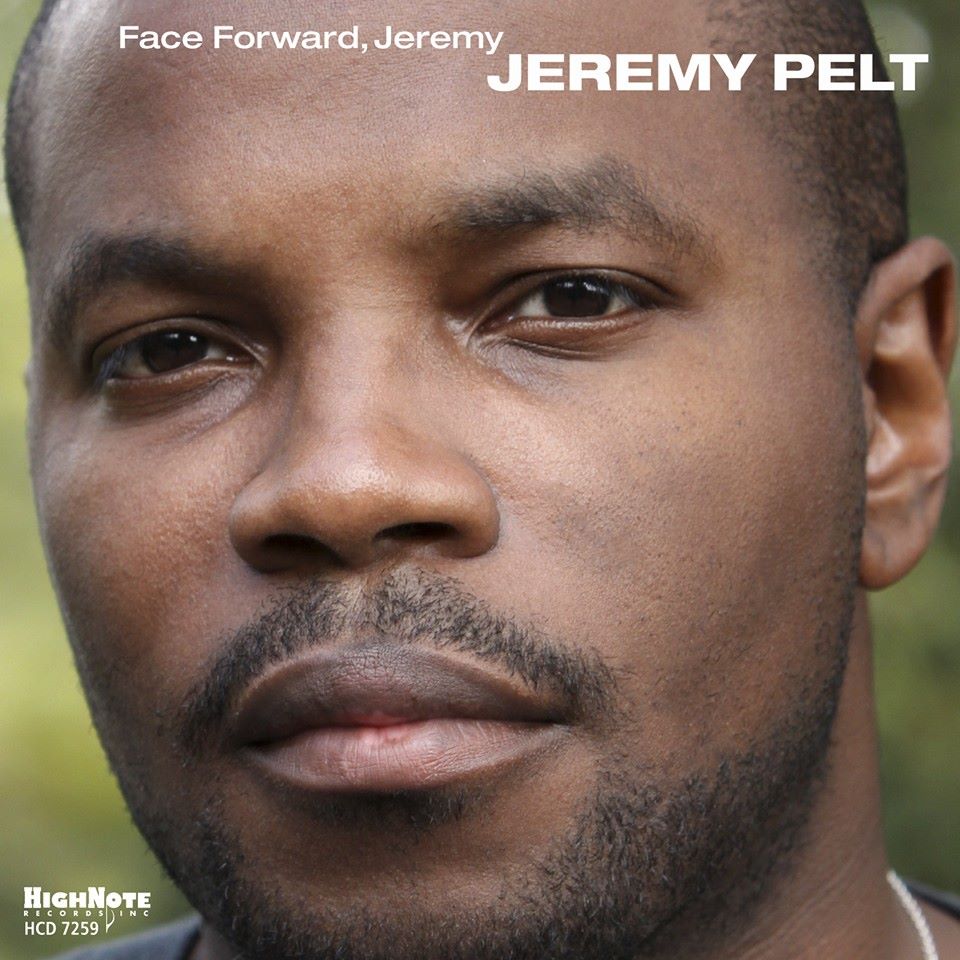


 Curt's Jazz Cafe