Archive for the Unsung Saxophone Masters Category

Unsung Saxophone Masters #2 – Tina Brooks: The Sound of Almost

Posted in saxophonists, The Jazz Continues..., Under The Radar, Unsung Saxophone Masters with tags , , , , on March 5, 2026 by curtjazz

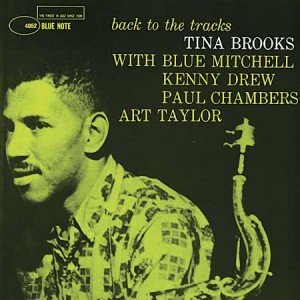
Tina Brooks - Back to the Tracks

Tina Brooks (1932 – 1974)

“I loved Tina. “He had a nice feeling…. He would write shit out on the spot and it would be beautiful. He wrote ‘Gypsy Blue’ for me on the first record, and I loved it. I just loved it. Tina made my first record date wonderful. He wrote and played beautifully. What a soulful, inspiring cat.”Freddie Hubbard

He was small of stature, soft spoken, bullied as a child and saddled with a woman’s name as a nickname from a very early age. But when he picked up that tenor sax… Harold Floyd “Tina” Brooks became a powerful giant.

He recorded just a handful of sessions as a leader for Blue Note Records between 1958 and 1961. Only one of them, True Blue, was released during his lifetime.

There are some musicians whose careers feel unfinished.

And then there are musicians whose recordings feel complete, even if their lives did not.

Tina Brooks belongs to the second category.

Harold Floyd Brooks was born in Fayetteville, North Carolina in 1932. His nickname was a variation on “Teeny”, which alluded to his small size. He grew up primarily in New York City. The sounds of rhythm & blues, church music, and the emerging language of bebop were part of the atmosphere there.

Music was already in the family. His father, David Brooks, sang professionally in vocal groups. This included the famed Ink Spots–style harmony ensembles that were popular in the 1940s. So Brooks grew up around working musicians. Jazz wasn’t a distant art form, it was a trade.

By his late teens, he had taken up the tenor saxophone. He began absorbing the language that dominated the New York scene of the early 1950s. Like many young tenor players of the period, he listened closely to Lester Young. He also paid attention to Dexter Gordon. Additionally, he absorbed the emerging modern vocabulary of Sonny Rollins.

But Brooks was not an imitator. Even early recordings reveal a voice that is inward and deliberate


Apprenticeship Years

Before recording under his own name, Brooks worked the New York club circuit and gained visibility through sideman work.

His first significant recording appearance was with Jimmy Smith. Smith’s revolutionary Hammond B-3 sound was redefining the organ trio format. Brooks appears on Smith’s 1958 Blue Note session The Sermon!, where his tenor sits comfortably inside the groove-oriented, church-inflected atmosphere Smith created.

It was a perfect setting for Brooks. His tone had a quiet blues authority; not flashy, but deeply rooted.

Around the same time, Brooks began working with alto saxophonist Jackie McLean, another rising voice in the Blue Note orbit. Their collaboration on Jackie’s Bag (recorded 1959) showcased Brooks alongside players such as Freddie Hubbard and Paul Chambers. This firmly situated him within the hard-bop movement of the period.

Yet even within these high-level sessions, Brooks rarely behaved like a player trying to steal the spotlight. His solos are thoughtful, measured, and structurally clear.

He sounded like someone thinking while playing.

The Blue Note Leader Dates

Between 1958 and 1961, Brooks recorded several sessions. They were all for Blue Note Records. Brooks worked with producer Alfred Lion and recording engineer Rudy Van Gelder.

These sessions included:

But here is the strange twist that shaped his reputation.

Only one of these albums, True Blue, was released during Brooks’ lifetime.

Tina Brooks did not record again past the age of 29. His other recordings sat in the Blue Note vault for years. They did not appear until the label’s archival reissues in the late 1970s and 1980s. These reissues brought renewed attention to overlooked sessions.

Why were they shelved?

No single explanation exists. Blue Note was recording prolifically at the time. Market decisions affected outcomes. Scheduling priorities interfered. The emergence of newer stars also played a role. Brooks’ personal struggles with health and addiction also complicated his career trajectory.

But the music itself tells a different story.

These are not tentative sessions. They are confident, mature statements from a fully developed modern tenor voice.


The Composer

One of Brooks’ most overlooked strengths was his writing.

Pieces such as:

  • “True Blue”
  • “Good Old Soul”
  • “Minor Move”

are elegantly constructed hard-bop compositions that balance blues feeling with harmonic sophistication.

They sit comfortably alongside the writing of contemporaries like Hank Mobley and Horace Silver. However, Brooks’ tunes often have a slightly more introspective quality. He wrote two tracks that appeared on Freddie Hubbard’s debut album as a leader, Open Sesame.

They feel less like vehicles for blowing and more like small musical architectures.


The Sound

Brooks’ tone is distinctive once you learn to hear it.

It is:

  • Lean rather than lush
  • Focused rather than expansive
  • Expressive without being demonstrative

Where John Coltrane pursued intensity and harmonic expansion, Brooks seemed more interested in clarity and pacing.

His solos unfold patiently. Ideas develop logically. There is very little excess.

You hear intention in every phrase.


The Quiet Fade

By the mid-1960s, Brooks’ health had deteriorated significantly. The combined pressures of the jazz lifestyle and personal struggles gradually removed him from the recording scene.

He died in 1974 at just forty-two years old.

By that time, his recorded legacy was already largely forgotten.

It would take the Blue Note reissue programs decades later for listeners to rediscover the depth of his work.

Today, albums like Back to the Tracks and Minor Move are often talked about with reverence. This is usually reserved for more famous artists.

But during his lifetime, Brooks never experienced that recognition.


Where to Begin (If You’re Listening Tonight)

If you’re discovering Brooks for the first time, start here:

  1. “True Blue” (Title track from True Blue) listen to the construction of his solo. Notice the pacing.
  2. “Good Old Soul” (Also on True Blue) the blues sensibility beneath modern harmony.
  3. “Minor Move” (Title track from Minor Move) lean, direct, unsentimental.

Don’t stream it casually. Sit with it.

Tina Brooks is not background music.
He is a study in understatement.


Why He Belongs in This Series

Jazz history tends to celebrate the revolutionaries.

The language of the music was shaped by musicians. They extended the tradition quietly. They worked thoughtfully and with immense discipline.

Tina Brooks was one of those musicians.

His discography is small.
His voice is unmistakable.

And that is why he belongs among the Unsung Tenor Giants.

Discography (all are on Blue Note Records)

(As a leader/co-leader)

True Blue (1960) with Freddie Hubbard, Duke Jordan, Sam Jones and Art Taylor

Minor Move (1958; Released 1980) with Lee Morgan, Sonny Clark, Doug Watkins and Art Blakey

Back to the Tracks (1960; Released 1998) with Blue Mitchell, Jackie McLean, Kenny Drew, Paul Chambers and Art Taylor

The Waiting Game (1961; Released 1999) with Johnny Coles, Kenny Drew, Wilbur Ware and Philly Joe Jones

Street Singer [co-leader with Jackie McLean] (1960; Released 1980) with Blue Mitchell, Kenny Drew, Paul Chambers, Art Taylor

(As a sideman[Partial])

Blue Lights Volume 1 & 2 [with Kenny Burrell] (1958)

Redd’s Blues [with Freddie Redd] (1961; Released 1998)

House Party [with Jimmy Smith] (1958)

Open Sesame [with Freddie Hubbard] (1960)

Jackie’s Bag [with Jackie McLean] (1961)
CurtJazz Radio’s TOP 5 Tina Brooks Tracks:

  1. “Good Old Soul” (True Blue)
  2. Title Track (The Waiting Game)
  3. Title Track (Back to the Tracks)
  4. Title Track (Minor Move)
  5. “Theme for Doris” (True Blue)

Reviving Unsung Tenor Saxophone Masters

Posted in saxophonists, Under The Radar, Unsung Saxophone Masters with tags , , , , on March 3, 2026 by curtjazz

THE RETURN

Fourteen years ago, I began a series here at CurtJazz.com called Unsung Saxophone Masters.

I wrote one entry.

Then life, radio, teaching, and a thousand other beautiful distractions carried me in different directions. The series quietly sat there; unfinished, like an unresolved cadence.

But some music waits.

The tenor saxophone, perhaps more than any other instrument in jazz, carries stories. These stories deserve to be told again. They especially include the stories of those who stood just outside the spotlight. As we revive this series, we will start with the tenor players.

When we think of the great jazz tenors, certain names come instantly to mind: Coltrane. Rollins. Webster. Getz. Shorter. Giants, all of them.

But jazz history, and jazz listening, is far richer than its headline names.

This series is about the masters who:

  • Recorded brilliantly but briefly
  • Worked steadily but without myth
  • Influenced deeply but quietly
  • Never quite became the brand

These are not “minor” players. They are musicians of consequence whose legacies deserve deliberate attention.

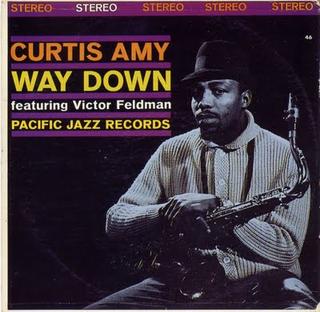
Back in 2012, I began with Curtis Amy. He was a West Coast tenor with Texas roots. He had a preacher’s warmth in his tone and a sense of spiritual grounding. This often gets overlooked in discussions of Los Angeles jazz.

https://upload.wikimedia.org/wikipedia/en/9/96/Way_Down_%28album%29.jpg

Amy was never marketed as a movement leader. He was never canonized. But listen closely to Way Down or his sideman work, and you hear authority. Depth. Patience.

He was not unsung because he lacked substance.
He was unsung because history can be selective.

And so, we return.

In the coming installments, we will revisit voices such as:

  • Tina Brooks — the brilliant Blue Note modernist whose recorded legacy is heartbreakingly small
  • J.R. Montrose — harmonically bold, often mislabeled as “West Coast cool”
  • Harold Land — steady, searching, and perpetually underrated
  • And others whose work shaped the sound of modern jazz without always shaping its marketing

This will not be a nostalgia project.

It will be a listening project.

Each post will explore:

  • The sound
  • The context
  • The sideman work
  • The overlooked sessions
  • The emotional center of the player

Because jazz history is not only written by the most visible.

It is carried in tone.

If you’ve followed CurtJazz Radio for any length of time, you already know that we program beyond the obvious. This series simply gives that philosophy a written home again.

The tenor saxophone remains the storytelling horn of modern jazz.

The posts in this series will appear once a week.

Let’s listen to the stories we missed.

I’m not going to leave you musically empty handed. Here’s a sampling of some excellent tenor work on that greatest of tenor jam tunes: “The Eternal Triangle”. Featured are three modern cats. They all deserve wider recognition. They are Eric Alexander, Ralph Lalama and Tad Shull with the great organist Mel Rhyne. . Let this tide you over until our next post in the series, which will feature Harold “Tina” Brooks.

A “Blowin’ Session” in the QC

Posted in Jazz in Charlotte, JazzLives!, Unsung Saxophone Masters, Video Vault with tags , , , , , , , , , , , , , , , , , , , on January 16, 2019 by curtjazz

Jazz lore is filled with stories of the “Blowing Session”; where the great instrumentalists who played the same instrument, would gather on a stage and demonstrate their prowess. Usually this would begin with the basic head arrangement of a well known standard and from there, the combatants would take things to the next level, in their solos, each vying to outdo the last. Often, these were friendly completions; other times, if some of the cats had “beef” with each other, this could be a battle nearly to the death.

Sometimes, the cats would take these battles to the studio. There, we would get a mixed bag; the constraints of studio time costs and realizing that the results would have to fit onto at least one side of an LP, could dampen some of the fancier flights. However, we still have some classic and near classic recordings, and many of these, to no surprise, involved tenor saxophone players. I’ll drop a list of some of the best at the end.

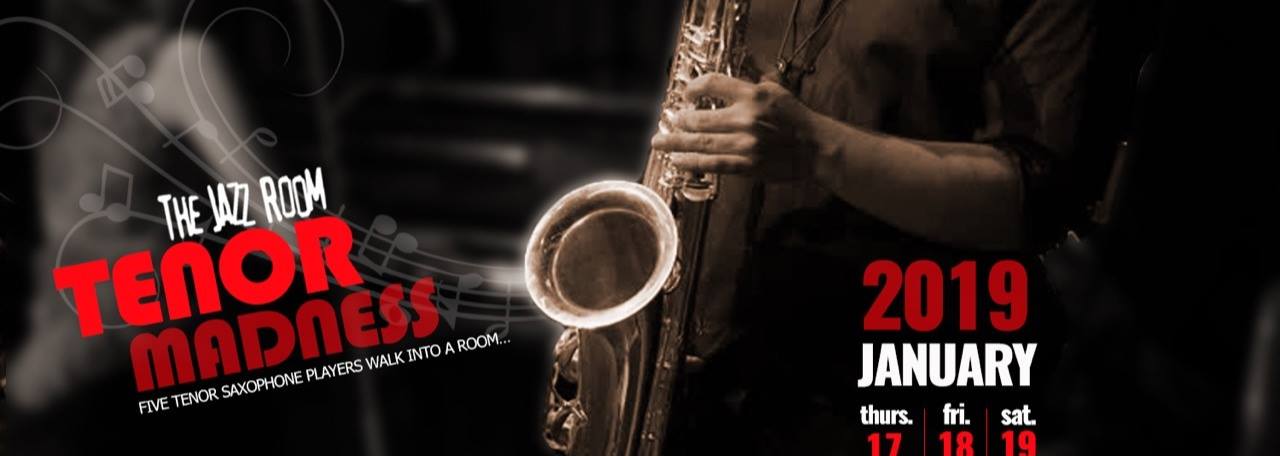
Right now, you need to know about a little bit of the revival of that tradition that will be happening in Charlotte, NC on January 17 – 19, in Jazz Arts Initiative’s THE JAZZ ROOM. We will have have some of the finest tenor players from the area, coming together to do battle. Each will appear with our all-star rhythm section (Lovell Bradford – piano; Aaron Gross – bass; Malcolm Charles – drums) and in various combinations on stage together. The musical sparks are bound to fly!

Juan Rollan

Over the weekend, our lineup will change from night to night and it includes the following sax masters: Chad Eby; Greg Jarrell; David Lail; Brian Miller; Juan Rollan; Annalise Stalls and PhillipWhack

Chad Eby

The accompanying clips are samples of a few of our tenor masters, smokin’ their way through some of their prior gigs. Now, image what we will get when we bring all of these ingredients together.

Phillip Whack

Two sets nightly, from Thursday, January 17 – Saturday, January 19, means you will have six opportunities to be a part of JAI’s Tenor Madness. Thursday and Friday, the times are 6:00 pm and 8:15 pm; Saturday sets are at 7:00 pm and 9:15 pm. THE JAZZ ROOM is located at The Stage Door Theater at the Blumenthal Performing Arts Center. I will be your MC for all sets but please don’t let that stop you from coming!

Annalise Stalls

Tickets are a true bargain! $14 in advance and $16 at the door, until there are no more. To get them, go to CarolinaTix.org

For further info about Jazz Arts Initiative, visit their website thejazzarts.org

Oh yeah, I did promise a list of recordings that include some great tenor battles. Here are five to get you started, in no particular order:

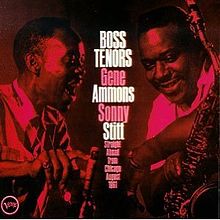
Boss Tenors – Gene Ammons & Sonny Stitt [Verve]

A Blowin’ Session – Johnny Griffin (w/ John Coltrane & Hank Mobley) [Blue Note]

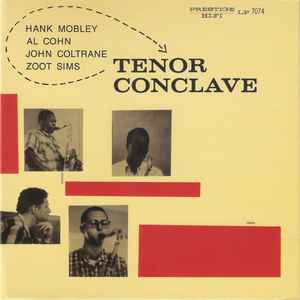
Tenor Conclave – Al Cohn; Zoot Sims; Mobley; Coltrane [Prestige/OJC]

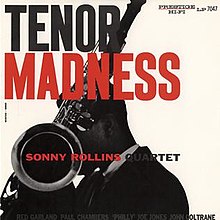
Tenor Madness – Sonny Rollins (w/Coltrane on the title track) [Prestige/OJC]

Alone Together – Tough Young Tenors (Walter Blanding Jr.; James Carter; Herb Harris; Tim Warfield; Todd Williams) [Antilles/Verve]

Four “Under The Radar” Tenor Saxophonists

Posted in Under The Radar, Unsung Saxophone Masters, Who's New in Jazz with tags , , , , , on June 19, 2013 by curtjazz

elias haslangerAs we said last week, there are a lot of fine, living saxophonists out there who are not getting their due. Last week we dropped a few alto players on you. This week we have four tenors. Again, there are others, these are just four that I’m listening to now. Each paragraph includes a link to the artist’s website, if any, and a link to a place to buy some of their music.

Elias Haslanger

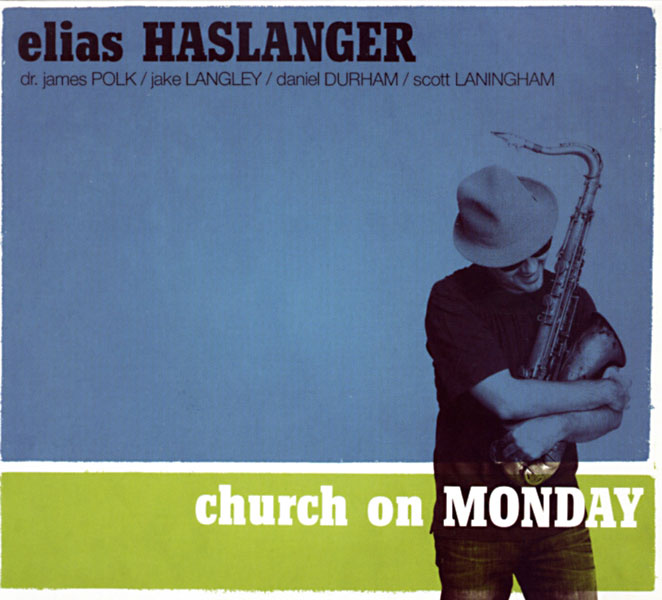
When I’m looking for someplace to hear a great tenor saxophonist, I normally don’t head to Austin, TX. After hearing Elias Haslanger, I may have to add another stop to my itinerary. Elias has been on the scene for about 25 years. A Texas native, he attended the Manhattan School of Music and has played and recorded with Maynard Ferguson, Ellis Marsalis, Bob Dorough and even Bruce Springsteen. After paying his New York dues for many years, Haslanger decided to return home to Austin, where he has set up SRO shop at the famed Continental Club on Monday nights. Haslanger has named Stanley Turrentine as one of his major influences and you can hear traces of Mr. T all over Elias’ big soulful Texas Tenor sound. His latest album Church on Monday is a stone groove in the Turrentine/Shirley Scott mode, with Dr. James Polk, Ray Charles’s longtime musical director, on the B3.

Erica Lindsay

I first became aware of Erica Lindsay via her work with one of my favorite “Under The Radar” pianists, Sumi Tonooka. Born in San Francisco, Ms. Lindsay spent much of her formative years in Europe with her parents who had moved there during the sixties. This exposed her at an early age to the jazz of other American expatriates, such as Dexter Gordon, Benny Bailey and Mal Waldron.  Ms. Lindsay returned to the U.S. to stay in 1980, settling in New York and becoming part of the jazz scene, the performance art scene and writing music for television and dance.  On tenor, her sound is robust and powerful. The Coltrane influence is strong but you can also hear a bit of Gordon in there as well. Ms. Lindsay’s  discography is limited but quite good; the most highly recommended being Dreamer, her 1992 debut and Initiation, her 2008 collaboration with Ms. Tonooka.

Dayna Stephens

Like many fine musicians, you’ll see Dayna Stephens’ name in the credits of many of the better jazz albums of the last few years but his  discography as a leader is small. You can easily why others track this cat down. His tenor sound is a big, warm and clear, out of the Joe Henderson/Wayne Shorter school. Nevertheless, I would not call him a clone of either of these two giants as he has his own sound that is growing more distinctive. Those who he has played with include Gerald Clayton, Gretchen Parlato and Taylor Eigsti, who have all returned the favor on Stephens’ recordings. You can check out any one of his three albums but a great place to start is his most recent one, this year’s That Nepenthetic Place on Sunnyside Records.

I would be remiss if I didn’t mention that though Dayna Stephens is still active, he has been facing some very serious health problems. He suffers from a congenital kidney ailment, undergoes daily dialysis and is awaiting a transplant. His medical expenses, needless to say are tremendous. If you would like more information on how to help, you can go to HelpDaynaStephens.org.

Brandon Wright

The great James Brown trombonist Fred Wesley said that “Brandon Wright is a young White cat who sounds like an old Black man.” Well, I’ll leave the judgements concerning Melanin count to Fred.  I will say that Brandon Wright can play his butt off. A New Jersey native, Wright, who is now in his early thirties, is a veteran of the Mingus Big Band, Chico O’Farrill’s Big Band and an apprenticeship with Mr. Wesley. His two albums on Posi-tone, Boiling Point and Journeyman are impressive pieces of post-bop, in which Wright acquits himself quite well while surrounded by a veteran group of sidemen. Wright says that one of his earliest inspirations to play the saxophone came from seeing Lisa Simpson of the animated Simpsons, play her sax. Lisa has had a very successful run, let’s hope the same for Mr. Wright.

As always I hope that there’s a new discovery for you in at least one of these artists. If you like their work support them by seeing them live, buying their CDs or legally downloading their music. That’s the only way that we will keep jazz alive.

More “Under The Radar” living jazz artists next week. Until then, “The Jazz Continues…”

Four “Under The Radar” Alto Saxophonists

Posted in Under The Radar, Unsung Saxophone Masters, Video Vault, Who's New in Jazz with tags , , , , , , on June 11, 2013 by curtjazz

tk blue - latin birdYou know what y’all? There are a lot of good saxophonists playing under the radar these days. As I set out to write this piece, I planned to scribble a few names down, pare it down to four and get it done. But a strange thing happened, as I scribbled the list just kept growing and growing. Long story short, there were so many that we’re splitting this first go around into alto and tenor saxophonists. Alto this week and tenor next.

So here in alpha order are four fine alto saxophonists who should get a wider hearing:

T.K. Blue

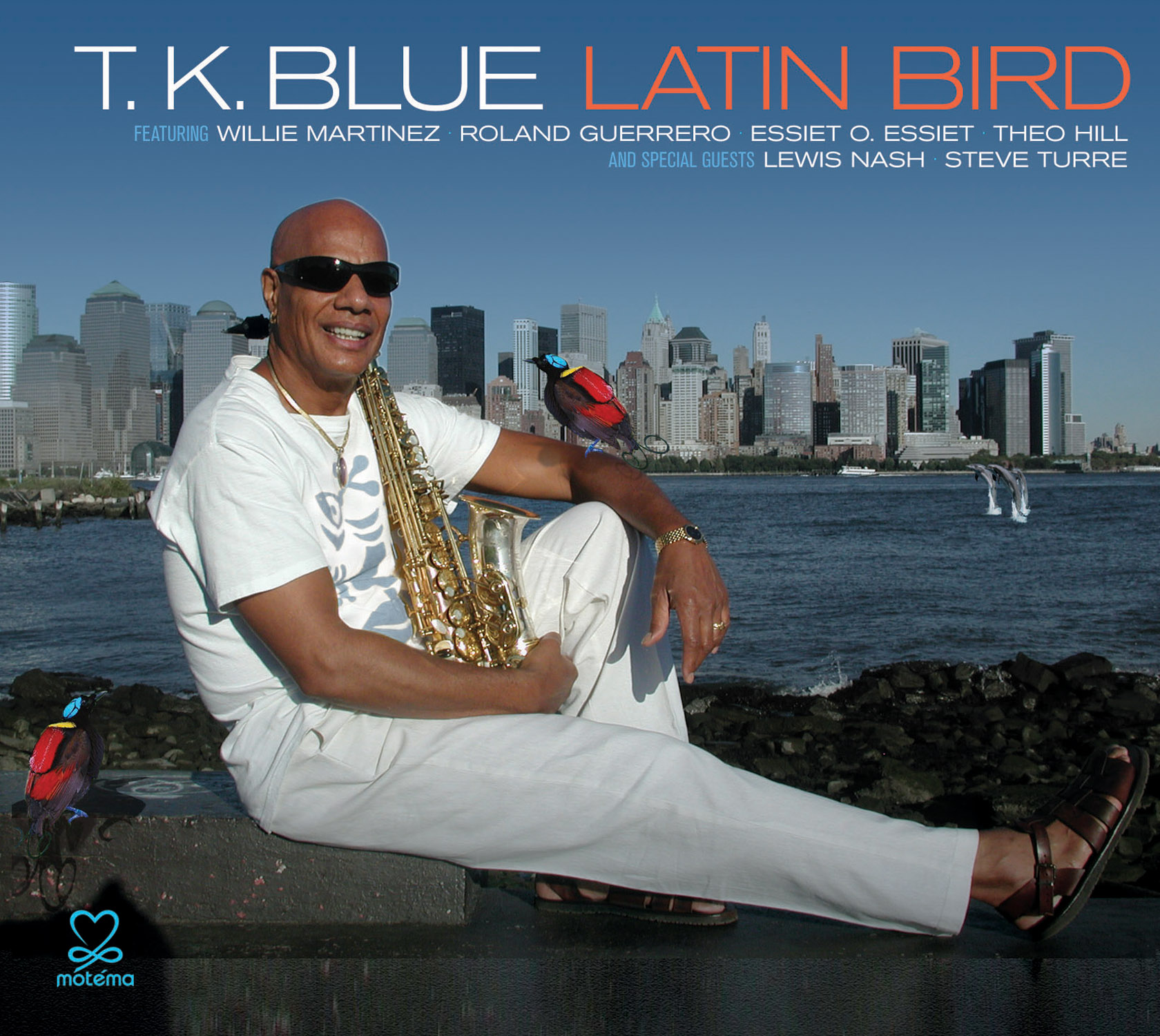
I first heard T.K. Blue (aka Talib Kibwe or Eugene Rhynie) several years ago when he was playing on a session by a drummer whose name I now forget. As I now recall, Mr. Blue was the only redeeming thing about that session. I’ve kept up with his work from that point on and he has continued to impress me both as a sideman and on his own releases. Like many alto saxophonists, Mr. Blue has been strongly influenced by Charlie Parker but his Caribbean roots add another layer to his sound that makes him unique. I strongly recommend his two most recent projects: Follow The North Star, a fascinating musical retelling of the story of Solomon Northup and his book Twelve Years a Slave and Latin Bird, which as you may have guessed is a Latin and Caribbean tinged romp through the music of Charlie Parker.

Sharel Cassity

This Oklahoma City native got her big break when she sat in at a New Year’s 2008 jam session in NYC. She followed Roy Hargrove and Antonio Hart’s solos on “Be-Bop”. She acquitted herself so well that Hargrove and Jimmy Heath, who was in attendance, both asked Ms. Cassity to join their big bands on the spot. In addition to stints with both of those bands, this graduate of The New School and Julliard has appeared with the Diva Big Band, Nicholas Payton, Christian McBride, Mark Whitfield and many others. Her greatest triumph though has been Relentless, her critically acclaimed 2009 disc. We expect to hear much more from Ms. Cassity in the future.

Tim Green

Like this writer, Tim Green was “raised in the church”; like me, he also was influenced by all kinds of music, secular and Christian.  The Baltimore native, who finished 2nd in the 2008 Monk Saxophone Competition, has played and recorded with a wide range of artists from Kirk Franklin to Kenny Burrell to Donnie McClurkin and Hubert Laws. His work on the alto  has been lauded by musicians of all stripes and Jazz Times has called Green ” a player to watch”. His most recent release Songs From This Season, has been heralded by the critics and will likely end up on a number of this year’s “Best Of” lists. Mr. Green is not likely to be under the radar for long, be the first on your block to ‘discover’ him.

Sherman Irby

A melodic alto player out of the Cannonball Adderley school, Mr. Irby has been around for the better part of 15 years; as a solo artist as well as a sideman for Wynton Marsalis, Roy Hargrove, Marcus Roberts and others. He released a couple of strong albums for Blue Note in the late ’90’s, Full Circle and Big Mama’s Biscuits but they got lost in the glut of “New Young Lions” releases of that era. Of late, Irby has been a member of Wynton’s Jazz At Lincoln Center Orchestra and produced some very strong work on his own Black Warrior record label, of which two albums, Black Warrior from 2006 and 2011’s Live at the Otto Club, are standouts.

Be sure to use the links throughout this post to get more info about the artists whose music you enjoy and most importantly, support them by attending their concerts if they come to your area and buying their CDs or legally downloading their music.

Next week we’ll cover some tenor sax players.

Until the next time, the jazz continues…

Fred Wesley and Two Saxophonists to Watch

Posted in Jazz in Charlotte, Under The Radar, Unsung Saxophone Masters, Unsung Women of Jazz, Video Vault, Who's New in Jazz with tags , , , , on June 9, 2013 by curtjazz

susanne altIt’s funny sometimes how a search for one thing can lead to another. During the May edition of THE JAZZ ROOM here in Charlotte, I was introduced to the talents of tenor saxophonist Phillip Whack, who was playing with Mark Rapp during the Miles Davis tribute. Mr. Whack turned in an impressive performance that night that arguably stole the show.

I spoke to Phillip after the show and found out a little about his background. He is a Carolinas native, that unfortunately he does not have any available recordings at this time and that he has spent a bit of time touring with Fred Wesley, the legendary trombonist of the J.B.’s; James Brown’s backup band.

Phillip Whack

Phillip Whack

I was inspired then to go to YouTube in search of some footage of Whack and Wesley. I found a good bit of it but I also made another discovery; on the bandstand during several of the performances was a young woman next to Whack, playing alto sax. The fact that she is fairly easy on the eyes is immediately apparent. The next thing you notice is that she is a very good saxophonist and her presence on the stand is by no means a novelty. Her name is Susanne Alt.

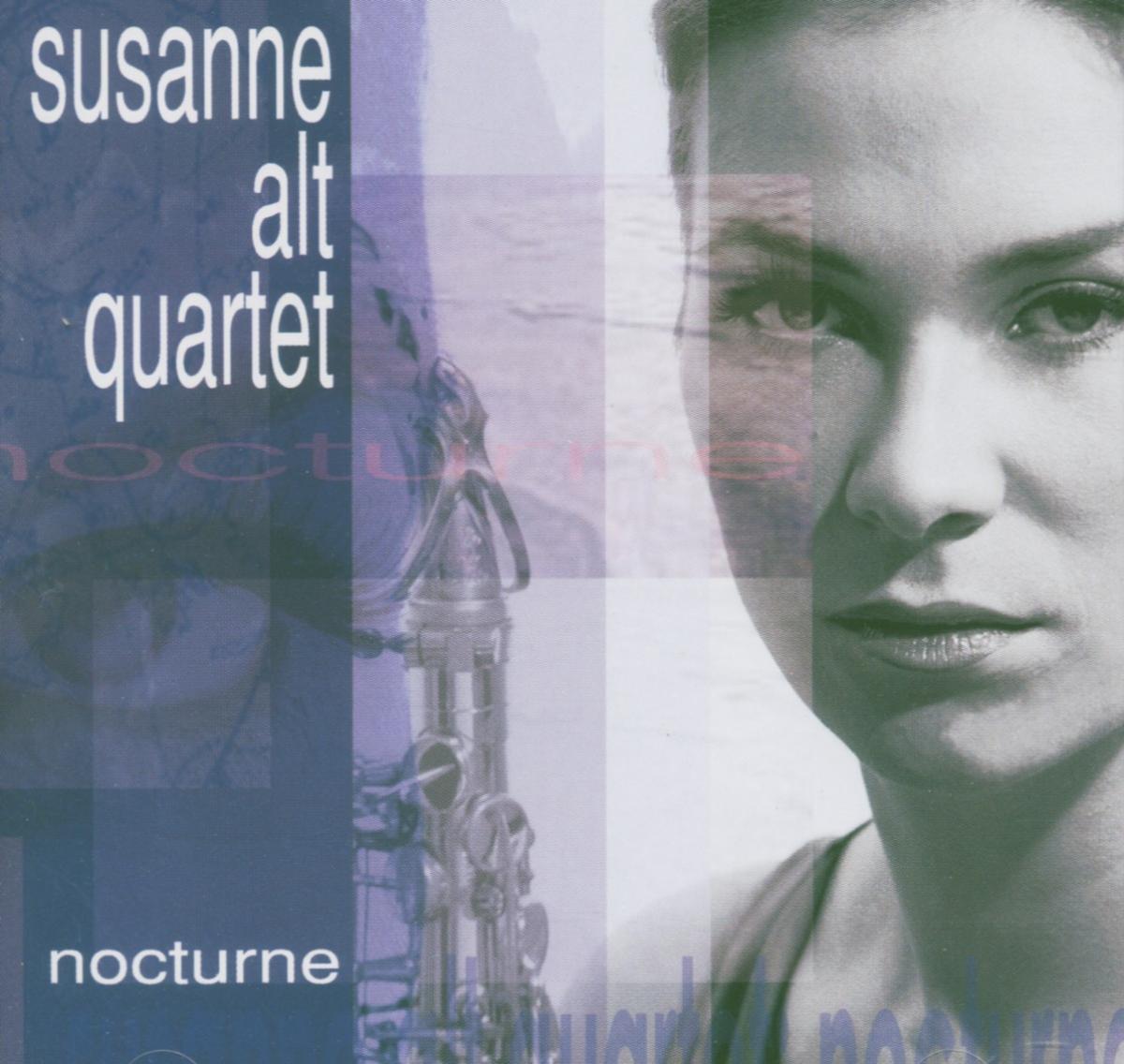
This led me to widen my search for more information concerning Ms. Alt. She was born in Germany and is now based in Amsterdam. She has released five albums as a leader, which range in styles from post bop to house to J.B.’s style funk. She has her own YouTube Channel, Venustunes where you can view and hear copious evidence of her musical talents. I can recommend a trio of her albums – Nocturne, her straightahead 2004 recording debut; On Track a funk steeped 2009 release that features Mr. Wesley and Live at Bimhuis from 2011, which covers all facets of her musical personality.

So here you have two gifted saxophonists that you’ve probably heard not a lot about, Phillip Whack and Susanne Alt. The two-part video clip included here features a dynamite performance of “Chameleon” from a Fred Wesley and the New J.B.’s club date at JazzClub Minden in Minden, Germany, that was featured on Venustunes. This was the set opener so everybody gets a turn. Alt starts at about 5:25 of Part 1 and takes it to the end. Whack opens Part 2 and shows that he will not be outdone.

It’s great funk from some master musicians and a chance to make a few new discoveries. Enjoy!

Unsung Saxophone Masters# 1 – Curtis Amy

Posted in Unsung Saxophone Masters with tags , , , , , , on February 5, 2012 by curtjazz

Curtis Amy (1927 – 2002)

Even if you don’t know his name, you’ve probably heard Curtis Amy. If you listened to pop music and pop radio from the mid-’60’s through the late ’70’s, then you heard Amy’s tenor, soprano or flute backing artists from Carole King, to Ray Charles to the Doors. But as a solo artist, Curtis Amy toiled in virtual obscurity.

Born in Houston, TX, in 1927, Amy’s first instrument was the clarinet at the young age of four.  He was drafted and during his stint in the Army, he started to play the tenor sax. When his time in the Army was up, Amy decided to pursue formal musical training at Kentucky State College (now University), from which he graduated in the early ’50’s.  He then taught school in Tennessee and knocked around playing gigs throughout the midwest for a couple of years, before landing in Los Angeles around 1955.  Once in L.A., he recorded a session with Dizzy Gillespie and continued to pay his dues on the club scene.

Curtis Amy – “24 Hours Blues” from Way Down

While playing at a club called “Dynamite Jackson’s”, in the Crenshaw District, Curtis Amy caught the ear of Dick Bock, the now legendary head of Pacific Jazz Records.  Bock dug the bluesy sound of Amy’s tenor and signed him to the label.  Amy’s first date for Pacific Jazz was The Blues Message, which he co-led with organist Paul Bryant, another L.A. club regular.  The sound on that session is what you would expect – greasy organ and gritty tenor, augmented by Roy Brewster’s valve trombone. The music would have easily fit into any smoky joint in Crenshaw, Watts or even Harlem. Though Bock had brought Amy, Brewster, Bryant and the others in the quintet together for the recording, the cats apparently dug their sound and decided to remain together as a group for a while, taking up residence as the house band at “Dynamite Jackson’s” and cutting one more album, Meetin’ Here, in 1961.

Curtis Amy and Paul Bryant on the title track from ‘Meetin’ Here’

Between 1960 and 1963, Bock and Pacific Records kept Mr. Amy busy as he recorded a total of six albums as a leader or co-leader. All but one included Brewster as a sideman.  They are also notable for containing some of the early efforts of two vibraphonists who are now anything but obscure, Bobby Hutcherson (on Groovin’ Blue) and Roy Ayers (on Way Down and Tippin’ on Through). The unquestionable standout of Amy’s Pacific Jazz Recordings (and of his overall catalog) is his final album for the label, 1963’s Katanga!.  It was originally credited to the co-leadership of Amy and Dupree Bolton, a trumpet player who was as gifted as he was enigmatic.  On Katanga!, the overt blues base of most of Amy’s earlier works has been replaced by a sound that is closer to hard bop. Amy, Bolton, pianist Jack Wilson, guitarist Ray Crawford, bassist Victor Gaskin and drummer Doug Sides, burst forth with a power that is still as arresting today as it was almost half a century ago.  Nevertheless, Katanga! was lost in the surfeit of jazz releases at that time.  It all but vanished from the scene, along with the musicians who led the session.

Curtis Amy, Dupree Bolton and Ray Crawford lead a live version of “Katanga” on the old Frankly Jazz television program

Curtis Amy would lead just three more sessions after 1963; a totally forgettable pop album Sounds of Hollywood in 1965, a date that Amy later dismissed as “syrup”;  Mustang;  a Joel Dorn produced album for Verve, which drew some attention from acid jazzers in the ’90’s, due to the funky title track and Peace For Love a very good album that marked Amy’s return to straight-ahead jazz, as well as his recorded swan song.  Though Peace For Love was recorded in 1994, it was not released in the U.S. until 2004, two years after Amy’s death.

In the years between the mid-60’s and the start of this century, Amy, though invisible to the jazz scene, was anything but idle.  He married Merry Clayton, a fine and extremely underrated vocalist in her own right (she is the female singer who gives Mick Jagger a run for his money on “Gimme Shelter”). Together and separately, they worked constantly in Hollywood.  When Merry joined Ray Charles’ Raelettes, Curtis signed on for a three-year stint as Brother Ray’s musical director.  When The Doors went for an orchestral sound on 1969’s The Soft Parade, they called on Amy as one of the saxes. It’s Mr. Amy that you hear soloing on the hit “Touch Me”.  Mr. and Mrs. Amy are also heard all over Carole King’s immortal album Tapestry, Merry as a background vocalist and Curtis on reeds – that’s his soprano sax on the break on “It’s Too Late” and his flute that rides out “So Far Away”.

From The Smothers Brothers show, here’s “Touch Me” by The Doors, with Curtis Amy on tenor

Curtis Amy died of pancreatic cancer in 2002. Though he was reluctant to be called a “Texas Tenor” or a “West Coast Jazz” player, he left a fine body of work that is worth exploring by fans of any niche or genre of Black American Music. I recommend that you start with Katanga! and work your way in. You’ll find much to like.

Recommended Recordings

  • Katanga! – (EMI Japan) – CD available as import
  • Groovin’ Blue – (EMI Japan) – CD available as import
  • Peace for Love (Fresh Sounds Spain) – CD available as import – hard to find
  • Mosaic Select 7 – Curtis Amy (Mosaic Records)  [a 3-CD compilation of all of Amy’s work for Pacific Jazz, including Katanga!] – OOP but it can be found, at a price, from Amazon and eBay

Unsung Saxophone Masters – The Introduction

Posted in Unsung Saxophone Masters with tags , , , , , , , on January 16, 2012 by curtjazz

John Coltrane, Wayne Shorter, Zoot Sims, Cannonball Adderley, Sonny Rollins, Jackie McLean, Stan Getz, Branford Marsalis, Gerry Mulligan, Charlie Parker… those are just the first ten names off the top of my head, but the list of well-known jazz saxophonists could go on for quite a while.

Because to many out there, the saxophone is jazz – its sounds and those who made them are the fuel of many a glorious legend.  But for every Dexter Gordon or Johnny Hodges, there are dozens more whose names can fuel another romantic legend – that of the talented, but obscure saxophonist.  Someone who had the chops to stand with those in the upper echelon, but who for some reason, was missed by the spotlight. 

Our first series of 2012 will touch briefly on the music, careers and lives of some of those less-heard cats. Though you may have heard some of their names, we hope that we can whet your appetite enough to send you out in search of their art. We’ll try, wherever possible to list a few available CDs, LPs and mp3s by each artist, to start you in the right direction.

Again, our mission is not to stump the scholars but to open the eyes of the masses.

They will appear in alphabetical order, unless someone comes along after I’ve passed that letter, to totally mess up my plans.

We’ll start later this week with Curtis Amy. Who comes after that…well, you’ll just have to wait and see.

We’ve dropped in a few clips by some of the legends to whet your appetite until the series starts.

Until then, the jazz continues and the BAM flows on!