Archive for jazz

Unsung Saxophone Masters #2 – Tina Brooks: The Sound of Almost

Posted in saxophonists, The Jazz Continues..., Under The Radar, Unsung Saxophone Masters with tags , , , , on March 5, 2026 by curtjazz

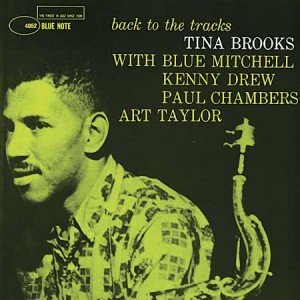
Tina Brooks - Back to the Tracks

Tina Brooks (1932 – 1974)

“I loved Tina. “He had a nice feeling…. He would write shit out on the spot and it would be beautiful. He wrote ‘Gypsy Blue’ for me on the first record, and I loved it. I just loved it. Tina made my first record date wonderful. He wrote and played beautifully. What a soulful, inspiring cat.”Freddie Hubbard

He was small of stature, soft spoken, bullied as a child and saddled with a woman’s name as a nickname from a very early age. But when he picked up that tenor sax… Harold Floyd “Tina” Brooks became a powerful giant.

He recorded just a handful of sessions as a leader for Blue Note Records between 1958 and 1961. Only one of them, True Blue, was released during his lifetime.

There are some musicians whose careers feel unfinished.

And then there are musicians whose recordings feel complete, even if their lives did not.

Tina Brooks belongs to the second category.

Harold Floyd Brooks was born in Fayetteville, North Carolina in 1932. His nickname was a variation on “Teeny”, which alluded to his small size. He grew up primarily in New York City. The sounds of rhythm & blues, church music, and the emerging language of bebop were part of the atmosphere there.

Music was already in the family. His father, David Brooks, sang professionally in vocal groups. This included the famed Ink Spots–style harmony ensembles that were popular in the 1940s. So Brooks grew up around working musicians. Jazz wasn’t a distant art form, it was a trade.

By his late teens, he had taken up the tenor saxophone. He began absorbing the language that dominated the New York scene of the early 1950s. Like many young tenor players of the period, he listened closely to Lester Young. He also paid attention to Dexter Gordon. Additionally, he absorbed the emerging modern vocabulary of Sonny Rollins.

But Brooks was not an imitator. Even early recordings reveal a voice that is inward and deliberate


Apprenticeship Years

Before recording under his own name, Brooks worked the New York club circuit and gained visibility through sideman work.

His first significant recording appearance was with Jimmy Smith. Smith’s revolutionary Hammond B-3 sound was redefining the organ trio format. Brooks appears on Smith’s 1958 Blue Note session The Sermon!, where his tenor sits comfortably inside the groove-oriented, church-inflected atmosphere Smith created.

It was a perfect setting for Brooks. His tone had a quiet blues authority; not flashy, but deeply rooted.

Around the same time, Brooks began working with alto saxophonist Jackie McLean, another rising voice in the Blue Note orbit. Their collaboration on Jackie’s Bag (recorded 1959) showcased Brooks alongside players such as Freddie Hubbard and Paul Chambers. This firmly situated him within the hard-bop movement of the period.

Yet even within these high-level sessions, Brooks rarely behaved like a player trying to steal the spotlight. His solos are thoughtful, measured, and structurally clear.

He sounded like someone thinking while playing.

The Blue Note Leader Dates

Between 1958 and 1961, Brooks recorded several sessions. They were all for Blue Note Records. Brooks worked with producer Alfred Lion and recording engineer Rudy Van Gelder.

These sessions included:

But here is the strange twist that shaped his reputation.

Only one of these albums, True Blue, was released during Brooks’ lifetime.

Tina Brooks did not record again past the age of 29. His other recordings sat in the Blue Note vault for years. They did not appear until the label’s archival reissues in the late 1970s and 1980s. These reissues brought renewed attention to overlooked sessions.

Why were they shelved?

No single explanation exists. Blue Note was recording prolifically at the time. Market decisions affected outcomes. Scheduling priorities interfered. The emergence of newer stars also played a role. Brooks’ personal struggles with health and addiction also complicated his career trajectory.

But the music itself tells a different story.

These are not tentative sessions. They are confident, mature statements from a fully developed modern tenor voice.


The Composer

One of Brooks’ most overlooked strengths was his writing.

Pieces such as:

  • “True Blue”
  • “Good Old Soul”
  • “Minor Move”

are elegantly constructed hard-bop compositions that balance blues feeling with harmonic sophistication.

They sit comfortably alongside the writing of contemporaries like Hank Mobley and Horace Silver. However, Brooks’ tunes often have a slightly more introspective quality. He wrote two tracks that appeared on Freddie Hubbard’s debut album as a leader, Open Sesame.

They feel less like vehicles for blowing and more like small musical architectures.


The Sound

Brooks’ tone is distinctive once you learn to hear it.

It is:

  • Lean rather than lush
  • Focused rather than expansive
  • Expressive without being demonstrative

Where John Coltrane pursued intensity and harmonic expansion, Brooks seemed more interested in clarity and pacing.

His solos unfold patiently. Ideas develop logically. There is very little excess.

You hear intention in every phrase.


The Quiet Fade

By the mid-1960s, Brooks’ health had deteriorated significantly. The combined pressures of the jazz lifestyle and personal struggles gradually removed him from the recording scene.

He died in 1974 at just forty-two years old.

By that time, his recorded legacy was already largely forgotten.

It would take the Blue Note reissue programs decades later for listeners to rediscover the depth of his work.

Today, albums like Back to the Tracks and Minor Move are often talked about with reverence. This is usually reserved for more famous artists.

But during his lifetime, Brooks never experienced that recognition.


Where to Begin (If You’re Listening Tonight)

If you’re discovering Brooks for the first time, start here:

  1. “True Blue” (Title track from True Blue) listen to the construction of his solo. Notice the pacing.
  2. “Good Old Soul” (Also on True Blue) the blues sensibility beneath modern harmony.
  3. “Minor Move” (Title track from Minor Move) lean, direct, unsentimental.

Don’t stream it casually. Sit with it.

Tina Brooks is not background music.
He is a study in understatement.


Why He Belongs in This Series

Jazz history tends to celebrate the revolutionaries.

The language of the music was shaped by musicians. They extended the tradition quietly. They worked thoughtfully and with immense discipline.

Tina Brooks was one of those musicians.

His discography is small.
His voice is unmistakable.

And that is why he belongs among the Unsung Tenor Giants.

Discography (all are on Blue Note Records)

(As a leader/co-leader)

True Blue (1960) with Freddie Hubbard, Duke Jordan, Sam Jones and Art Taylor

Minor Move (1958; Released 1980) with Lee Morgan, Sonny Clark, Doug Watkins and Art Blakey

Back to the Tracks (1960; Released 1998) with Blue Mitchell, Jackie McLean, Kenny Drew, Paul Chambers and Art Taylor

The Waiting Game (1961; Released 1999) with Johnny Coles, Kenny Drew, Wilbur Ware and Philly Joe Jones

Street Singer [co-leader with Jackie McLean] (1960; Released 1980) with Blue Mitchell, Kenny Drew, Paul Chambers, Art Taylor

(As a sideman[Partial])

Blue Lights Volume 1 & 2 [with Kenny Burrell] (1958)

Redd’s Blues [with Freddie Redd] (1961; Released 1998)

House Party [with Jimmy Smith] (1958)

Open Sesame [with Freddie Hubbard] (1960)

Jackie’s Bag [with Jackie McLean] (1961)
CurtJazz Radio’s TOP 5 Tina Brooks Tracks:

  1. “Good Old Soul” (True Blue)
  2. Title Track (The Waiting Game)
  3. Title Track (Back to the Tracks)
  4. Title Track (Minor Move)
  5. “Theme for Doris” (True Blue)

Reviving Unsung Tenor Saxophone Masters

Posted in saxophonists, Under The Radar, Unsung Saxophone Masters with tags , , , , on March 3, 2026 by curtjazz

THE RETURN

Fourteen years ago, I began a series here at CurtJazz.com called Unsung Saxophone Masters.

I wrote one entry.

Then life, radio, teaching, and a thousand other beautiful distractions carried me in different directions. The series quietly sat there; unfinished, like an unresolved cadence.

But some music waits.

The tenor saxophone, perhaps more than any other instrument in jazz, carries stories. These stories deserve to be told again. They especially include the stories of those who stood just outside the spotlight. As we revive this series, we will start with the tenor players.

When we think of the great jazz tenors, certain names come instantly to mind: Coltrane. Rollins. Webster. Getz. Shorter. Giants, all of them.

But jazz history, and jazz listening, is far richer than its headline names.

This series is about the masters who:

  • Recorded brilliantly but briefly
  • Worked steadily but without myth
  • Influenced deeply but quietly
  • Never quite became the brand

These are not “minor” players. They are musicians of consequence whose legacies deserve deliberate attention.

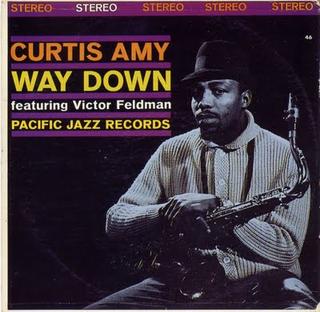
Back in 2012, I began with Curtis Amy. He was a West Coast tenor with Texas roots. He had a preacher’s warmth in his tone and a sense of spiritual grounding. This often gets overlooked in discussions of Los Angeles jazz.

https://upload.wikimedia.org/wikipedia/en/9/96/Way_Down_%28album%29.jpg

Amy was never marketed as a movement leader. He was never canonized. But listen closely to Way Down or his sideman work, and you hear authority. Depth. Patience.

He was not unsung because he lacked substance.
He was unsung because history can be selective.

And so, we return.

In the coming installments, we will revisit voices such as:

  • Tina Brooks — the brilliant Blue Note modernist whose recorded legacy is heartbreakingly small
  • J.R. Montrose — harmonically bold, often mislabeled as “West Coast cool”
  • Harold Land — steady, searching, and perpetually underrated
  • And others whose work shaped the sound of modern jazz without always shaping its marketing

This will not be a nostalgia project.

It will be a listening project.

Each post will explore:

  • The sound
  • The context
  • The sideman work
  • The overlooked sessions
  • The emotional center of the player

Because jazz history is not only written by the most visible.

It is carried in tone.

If you’ve followed CurtJazz Radio for any length of time, you already know that we program beyond the obvious. This series simply gives that philosophy a written home again.

The tenor saxophone remains the storytelling horn of modern jazz.

The posts in this series will appear once a week.

Let’s listen to the stories we missed.

I’m not going to leave you musically empty handed. Here’s a sampling of some excellent tenor work on that greatest of tenor jam tunes: “The Eternal Triangle”. Featured are three modern cats. They all deserve wider recognition. They are Eric Alexander, Ralph Lalama and Tad Shull with the great organist Mel Rhyne. . Let this tide you over until our next post in the series, which will feature Harold “Tina” Brooks.

2021 Jazz (and More) Grammy Nominations

Posted in 2021 Grammys, Uncategorized with tags , , , , on January 4, 2021 by curtjazz

This is something that I usually do when the Grammy nominations are first announced, each November but I took a little unscheduled break from blogging and the awards still aren’t going to be presented for another four weeks, so I have (a little) time.

Here’s a listing of all of the nominees for 2021 Grammys, in the jazz categories AND in the categories that are jazz related, such as Contemporary Instrumental (aka Contemporary/Smooth Jazz). Also, some of the artists from the jazz world, have started to drift into the R & B categories, such as Robert Glasper, Thundercat and Gregory Porter, so I want to at least give them a shoutout for their noms.

The awards will be presented on Sunday, January 31. The awards in all of the categories below will be handed out, beginning at 3pm (ET) during the Grammy Premiere Show, prior to the prime-time telecast, which will begin at 8pm (ET)

As usual, we will have a lot more to say about the nominated jazz music during the weeks prior to the awards. Until then, for those of you who were unaware, here are the nominated performances. Congratulations to all!

Best Improvised Jazz Solo
For an instrumental jazz solo performance. Two equal performers on one recording may be eligible as one entry. If the soloist listed appears on a recording billed to another artist, the latter’s name is in parenthesis for identification. Singles or Tracks only.

  • GUINNEVERE
    Christian Scott aTunde Adjuah, soloist
    Track from: Axiom
     
  • PACHAMAMA
    Regina Carter, soloist
    Track from: Ona (Thana Alexa)
     
  • CELIA
    Gerald Clayton, soloist
     
  • ALL BLUES
    Chick Corea, soloist
    Track from: Trilogy 2 (Chick Corea, Christian McBride & Brian Blade)
     
  • MOE HONK
    Joshua Redman, soloist
    Track from: RoundAgain (Redman Mehldau McBride Blade)

Best Jazz Vocal Album
For albums containing at least 51% playing time of new vocal jazz recordings.

  • ONA
    Thana Alexa
     
  • SECRETS ARE THE BEST STORIES
    Kurt Elling Featuring Danilo Pérez
     
  • MODERN ANCESTORS
    Carmen Lundy
  • HOLY ROOM: LIVE AT ALTE OPER
    Somi With Frankfurt Radio Big Band Conducted By John Beasley
  • WHAT’S THE HURRY
    Kenny Washington

Best Jazz Instrumental Album
For albums containing at least 51% playing time of new instrumental jazz recordings.

  • ON THE TENDER SPOT OF EVERY CALLOUSED MOMENT
    Ambrose Akinmusire
     
  • WAITING GAME
    Terri Lyne Carrington And Social Science
     
  • HAPPENING: LIVE AT THE VILLAGE VANGUARD
    Gerald Clayton
     
  • TRILOGY 2
    Chick Corea, Christian McBride & Brian Blade
     
  • ROUNDAGAIN
    Redman Mehldau McBride Blade

Best Large Jazz Ensemble Album
For albums containing at least 51% playing time of new ensemble jazz recordings.

  • DIALOGUES ON RACE
    Gregg August
  • MONK’ESTRA PLAYS JOHN BEASLEY
    John Beasley’s MONK’estra
  • THE INTANGIBLE BETWEEN
    Orrin Evans And the Captain Black Big Band
     
  • SONGS YOU LIKE A LOT
    John Hollenbeck with Theo Bleckmann, Kate McGarry, Gary Versace And the Frankfurt Radio Big Band
     
  • DATA LORDS
    Maria Schneider Orchestra

Best Latin Jazz Album
For vocal or instrumental albums containing at least 51% playing time of newly recorded material. The intent of this category is to recognize recordings that represent the blending of jazz with Latin, Iberian-American, Brazilian, and Argentinian tango music.

  • TRADICIONES
    Afro-Peruvian Jazz Orchestra
     
  • FOUR QUESTIONS
    Arturo O’Farrill & The Afro Latin Jazz Orchestra
     
  • CITY OF DREAMS
    Chico Pinheiro
     
  • VIENTO Y TIEMPO – LIVE AT BLUE NOTE TOKYO
    Gonzalo Rubalcaba & Aymée Nuviola
     
  • TRANE’S DELIGHT
    Poncho Sanchez

Best Contemporary Instrumental Album
For albums containing approximately 51% or more playing time of instrumental material. For albums containing at least 51% playing time of new recordings.

  • AXIOM
    Christian Scott aTunde Adjuah
  • CHRONOLOGY OF A DREAM: LIVE AT THE VILLAGE VANGUARD
    Jon Batiste
  • TAKE THE STAIRS
    Black Violin
     
  • AMERICANA
    Grégoire Maret, Romain Collin & Bill Frisell
     
  • LIVE AT THE ROYAL ALBERT HALL
    Snarky Puppy

Best R&B Song
A Songwriter(s) Award. A song is eligible if it was first released or if it first achieved prominence during the Eligibility Year. (Artist names appear in parentheses.) Singles or Tracks only.

  • BETTER THAN I IMAGINE
    Robert Glasper, Meshell Ndegeocello & Gabriella Wilson, songwriters (Robert Glasper Featuring H.E.R. & Meshell Ndegeocello)
     
  • BLACK PARADE
    Denisia Andrews, Beyoncé, Stephen Bray, Shawn Carter, Brittany Coney, Derek James Dixie, Akil King, Kim “Kaydence” Krysiuk & Rickie “Caso” Tice, songwriters (Beyoncé)
     
  • COLLIDE
    Sam Barsh, Stacey Barthe, Sonyae Elise, Olu Fann, Akil King, Josh Lopez, Kaveh Rastegar & Benedetto Rotondi, songwriters (Tiana Major9 & EARTHGANG)
     
  • DO IT
    Chloe Bailey, Halle Bailey, Anton Kuhl, Victoria Monét, Scott Storch & Vincent Van Den Ende, songwriters (Chloe X Halle)
     
  • SLOW DOWN
    Nasri Atweh, Badriia Bourelly, Skip Marley, Ryan Williamson & Gabriella Wilson, songwriters (Skip Marley & H.E.R.)


Best Progressive R&B Album
For albums containing at least 51% playing time of newly recorded progressive vocal tracks derivative of R&B.

  • CHILOMBO
    Jhené Aiko
     
  • UNGODLY HOUR
    Chloe X Halle
     
  • FREE NATIONALS
    Free Nationals
     
  • F*** YO FEELINGS
    Robert Glasper
     
  • IT IS WHAT IT IS
    Thundercat

Best R&B Album
For albums containing at least 51% playing time of new R&B recordings.

  • HAPPY 2 BE HERE
    Ant Clemons
     
  • TAKE TIME
    Giveon
     
  • TO FEEL LOVE/D
    Luke James
     
  • BIGGER LOVE
    John Legend
     
  • ALL RISE
    Gregory Porter

My Favorite Jazz Albums of 2020 – The Complete List

Posted in Best Jazz Albums of 2020 with tags , , , , , , , , , , , , , , , , , , , , , , , , , , , , , , , , , , , on December 30, 2020 by curtjazz

In the three previous posts, I’ve listed and discussed my favorite jazz albums of 2020. Bright musical oases, in this otherwise miserable year.

In this post, we bring all 30 of them together, in one place. In each album title is embedded a link to the album’s page on Amazon. In these extraordinarily difficult times, we encourage you to purchase these albums, if there’s something that you like. Streaming is nice but the financial support that it provides to the artists, is laughable. So we provide the Amazon links as a first alternative. However, many of the artists also have their own websites, through which you can purchase the music directly from them. If you are so inclined, I encourage you to go that route. It can provide maximum remuneration for the artists that you love. We will also feature tracks from each of these albums, throughout January 2021, on CurtJazz Radio. Click HERE to listen now.

We’ve also created another Spotify playlist, featuring selections from a dozen of the 30 albums on the list, to give those of you who have not yet visited the prior posts, an opportunity to sample the artistry represented here. I can’t say it enough. Streaming is nice but buying is better.

Here are my 30 for ’20, in alphabetical order, by artist name:

ARTISTTITLELABEL
J.D. AllenToys/Die DreamingSavant
John BeasleyMONKestra Plays BeasleyMack Avenue
Lakecia BenjaminPursuance: The ColtranesRopeadope
Peter BernsteinWhat Comes NextSmoke Sessions
Stanley CowellLive at Keystone Corner BaltimoreSteepleChase
Wayne EscofferyThe Humble WarriorSmoke Sessions
John Fedchock NY SextetInto the ShadowsSummit
Champian FultonBirdsongSelf-Release
Nubya GarciaSourceConcord
Jeff Hamilton TrioCatch Me If You CanCapri
Connie HanIron StarletMack Avenue
Jimmy HeathLove LetterVerve
Eddie HendersonShuffle and DealSmoke Sessions
Theo HillReality CheckPosiTone
Christopher HollydayDialogueSelf-Release
Nduduzo MakhathiniModes of Communication: Letters from the UnderworldBlue Note
Jason MarsalisLiveBasin Street
Christian McBride Big BandFor Jimmy, Wes, and OliverMack Avenue
Ron MilesRainbow SignBlue Note
Farnell NewtonRippin’ and Runnin’PosiTone
Redman, Mehldau, McBride, BladeRoundAgainNonesuch
Eric ReedFor Such a Time as ThisSmoke Sessions
The Royal BopstersParty of FourMotéma
Kandace SpringsThe Women Who Raised MeBlue Note
Alexa TarantinoClarityPosiTone
Gregory TardyIf Time Could Stand StillWJ3
The Brianna Thomas BandEverybody KnowsBreathline
Isaiah J. ThompsonPlays the Music of Buddy MontgomeryWJ3
Kenny WashingtonWhat’s the Hurry?Lower 9th
Bobby WatsonKeepin’ It RealSmoke Sessions

Thank you all, for reading and listening. Here’s to a great 2021. Hopefully, we’ll be able to get back to live music by the time you read my next “Best Of…” list.

My Favorite Jazz Albums of the Year: 30 for ’20 (Part 3 of 3)

Posted in Best Jazz Albums of 2020, Uncategorized with tags , , , , , , , , , , , , , , , , on December 29, 2020 by curtjazz

In our last set of my favorite jazz albums of 2020, we’ve got a reunion from a group of musicians who made remarkable music a quarter century ago, a very impressive debut album by a promising young pianist and a vocalist who delivers the remarkable album that we’ve been waiting for from them. Let’s take a look.

Once again, the albums are in alphabetical order, by artist name.  We will also try hard again, to adhere to the three-sentence rule. So far, we’ve been mostly unsuccessful.

  • Redman, Mehldau, McBride, Blade: RoundAgain (Nonesuch)
    • Joshua Redman’s 1994 album MoodSwing remains in my top three all time favorite discs by the prolific saxophone master. Redman was but 25 at the time of the album’s release (his third). He was joined by a trio of young (under 25) musicians, who held promise for what they could bring to jazz’s future: Brad Mehldau on piano, Christian McBride on bass and Brian Blade, on drums. They dropped one exceptionally fine album and disbanded, all going on to fulfill their promise and become four of the most respected musicians in jazz today.  Twenty-six years later, Redman reunited the group to deliver RoundAgain. Whereas Redman was the star the first time around, they have all returned as equals, each getting co-billing and contributing as composers. Other than that, absolutely nothing has changed. The four are still as swinging, tight and fiery as they were in 1994. Their work is now, as then, exemplary, and highly recommended.
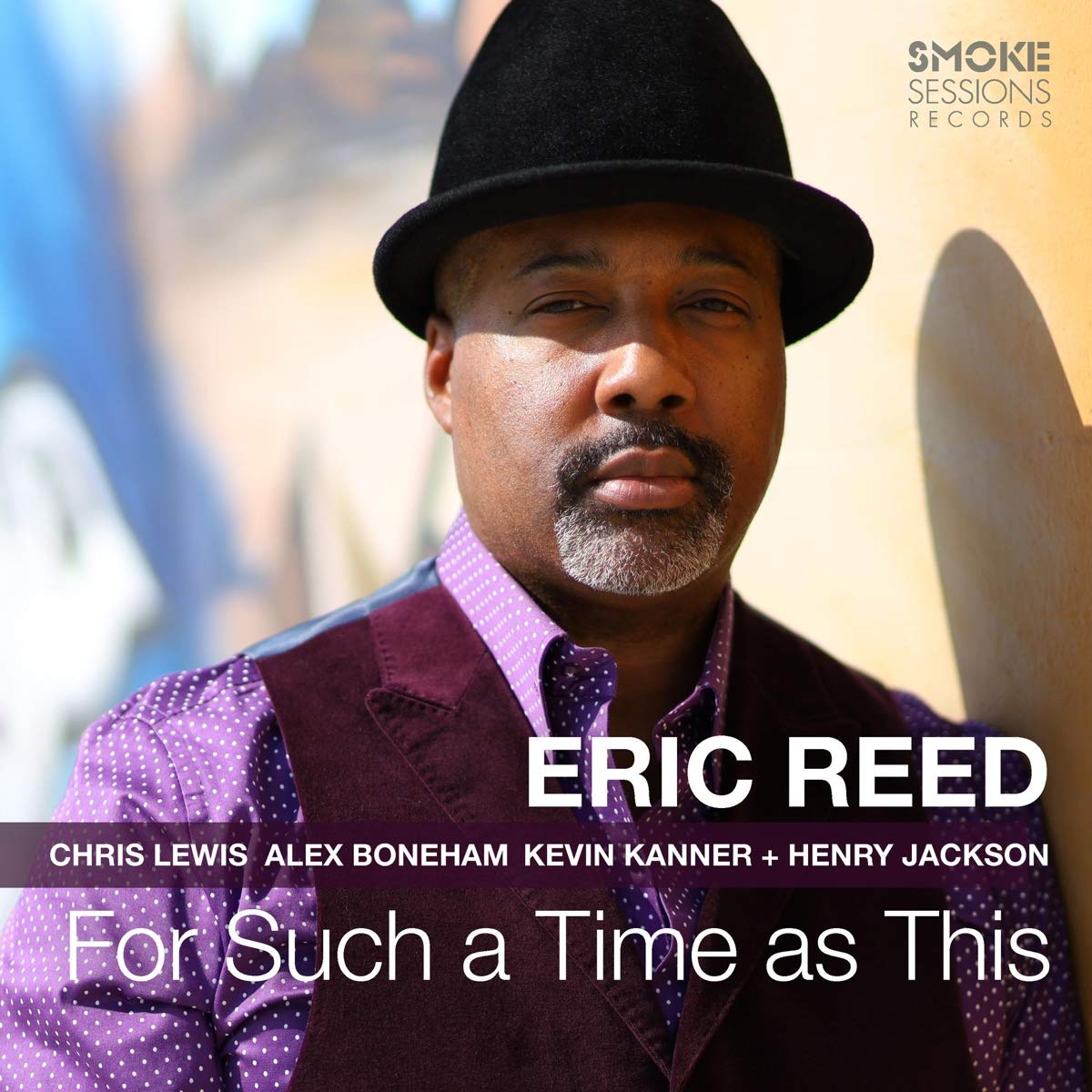
  • Eric Reed: For Such a Time as This (Smoke Sessions)
    • It happens to me every year. I will have carefully selected the music to be included on this list by around the end of November. But there’s always some artist who will release an album, late in the year, that doesn’t reach my ears until December. Invariably, the music will be excellent and cause me to reconsider my “Best ofs”. This year, that artist is my old friend, Eric Reed. His new album, For Such a Time as This, is hands down, his best in over half a decade. This album was recorded in late June of this year, during the pandemic related lockdown, in Los Angeles. Mr. Reed assembled a hand-picked quartet of local musicians, and away they went. With all going on, this year, from COVID-19 to racism and racial injustice, to our fraught political environment, this became a very personal musical statement, for the pianist. I felt that. But I also felt that because it was so personal, his musicianship and those of his bandmates, moved to a higher level. Well done.
  • The Royal Bopsters: Party of Four (Motéma)
    • The most welcome sophomore release of the year for me, turned bittersweet, when I learned that one of the members of this wonderful vocal group, Holli Ross, had succumbed to cancer, between the completion of the album and its release. The album itself, is just as great as their stunning 2015 debut. The group’s harmonies are drum tight and joyous, even on the ballads. Guest spots by Christian McBride, Sheila Jordan, and the late Bob Dorough, enliven the proceedings even more. Ms. Ross, you have left us a beautiful memory, Rest in Peace.
  • Kandace Springs: The Women Who Raised Me (Blue Note)
    • This is the album that I’ve been waiting for from Kandace Springs, since she first grabbed my attention on her compelling but uneven debut album Soul Eyes. Perhaps because on The Women Who Raised Me, which is a tribute to the vocalists who influenced her, she finally has an album’s worth of material worthy of her stunning talent. Her honest, soul drenched voice, has never sounded better. With guest appearances by Norah Jones, David Sanborn, Chris Potter, Christian McBride and others, this album has placed her in the upper echelon of young soul-jazz vocalists.
  • Alexa Tarantino: Clarity (PosiTone)
    • Another on the growingly impressive list of jazz artists, under 30, who a creating a bright future for jazz, Alexa Tarantino is a multi-reed player, who demonstrates stunning proficiency on flutes, and soprano and alto saxophones, on this, her second album. Ms. Tarantino also wrote four of the nine selections, including two of the best performances, “Through”, which features her on flute and “A Race Against Yourself”, on which Tarantino delivers a blistering turn on alto sax. Two albums, in two years, each better than the last. I’m looking forward to hearing what next year will bring.
  • Gregory Tardy: If Time Could Stand Still (WJ3)
    • I’ve been an admirer of this big-toned tenor, ever since his impressive debut for Impulse! Records, 22 years ago. On this date, his first for Willie Jones III’s fine WJ3 label, he wraps that tone around seven originals and one standard. Mr. Tardy is an intelligent soloist and an excellent composer. His name should be far better known than it is. If Time Could Stand Still, is another winner in his catalog, a fine straight-ahead date with excellent solos from Tardy, guest star Alex Norris on trumpet and pianist Keith Brown, son of the piano master, Donald Brown. Keith is new to me and very impressive. I look forward to hearing more from him, in the future.
  • The Brianna Thomas Band: Everybody Knows (Breathline)
    • Oh my! I had no idea that Ms. Brianna Thomas existed until a few tracks from this album appeared in my new release file, a few months ago. Her voice is a marvel. It’s a blend of soul, blues, jazz, and world-weary heartbreak, that gives her a sound like no one else working today. Ms. Thomas delivers a cooking set, that straddles the line between blues and jazz, doing both idioms proud. Any vocalist who can pull off “It’s a Sin to Tell a Lie”, “Mississippi Goddam” and the slightly raunchy “My Stove’s in Good Condition”, with equal aplomb, on the same album, is my kind of singer. Nice to meet you, Brianna Thomas. Let’s do this again, soon.
  • Isaiah J. Thompson: Plays the Music of Buddy Montgomery (WJ3)
    • I first heard the young, brilliant pianist, Isaiah J. Thompson, on Jazz at Lincoln Center Orchestra’s release A Handful of Keys, which featured several pianists of various ages and experience levels. Though Mr. Thompson was the youngest of the group, he managed to stand out among his seasoned colleagues. On his full album debut as a leader, he tackles the music of the youngest of the Montgomery Brothers, pianist Buddy. Mr. Montgomery wrote some fine and so far, under-recorded tunes, which makes this album quite appropriate. It’s also quite good. Mr. Thompson has impeccable taste as a soloist. He avoids the unnecessary runs and flourishes that plague many keyboardists of his age. This album is an outstanding start for an artist who has a very bright future.
  • Kenny Washington: What’s the Hurry? (Lower 9th)
    • This is the New Orleans native’s debut album, as a leader, at the tender age of 63 (thus the tongue-in-cheek title). He has often been confused with the popular jazz drummer of the same name (they are no relation) and during his 35-year career, Mr. Washington has often been shy about promoting himself and his considerable talents. Like the man himself, this album is not going to get in your face. It is low key, it swings, and it will insidiously wrap itself around your brain. Washington’s intonation and phrasing are excellent, and he has a marvelous way with the standards that make up most of the selections on the album. An excellent debut. Let’s hope a follow-up is forthcoming, soon.
  • Bobby Watson: Keepin’ It Real (Smoke Sessions)
    • Bobby Watson, who has had a long and storied career, as a musician, bandleader, and educator, has been on a hot streak of late, especially from a recorded perspective. The superb Keepin’ It Real, is the third critically acclaimed Smoke Sessions release that Mr. Watson has been a part of, in the last three years. Here, he just continues to do what he has been doing so well, since his days as musical director of Art Blakey and the Jazz Messengers and then with his own group, Horizon; create catchy and memorable hard bop arrangements and infuse them with his inimitable sound and swing on alto sax. Now that he has retired from the education field, Mr. Watson has spoken of having more time for touring and recording. If he keeps producing music of this quality, the jazz world will be incredibly pleased. [Bobby Watson joined me, to discuss this album and his career, on Conversations with Curtis. Click HERE to view that interview, on You Tube].

A reminder, if you are interested in purchasing any of the music that we’ve discussed in these posts, clicking on the album title, will take you to the album’s page on Amazon.com. There is also a Spotify playlist below, which includes a track from each of the albums discussed here, for you to sample. And we’ll be featuring many of these albums throughout January 2021 on CurtJazz Radio. But please don’t just stream. During these tough times, these musicians can use your support more than ever, so if you like it, buy it.

Our next post will be a summary listing of all 30 albums, in our 30 for ’20 list. It will be up on the site, tomorrow.

 Thoughts and opinions are welcome, as always, in the comments.

My Favorite Jazz Albums of the Year: 30 for ’20 (Part 2 of 3)

Posted in Best Jazz Albums of 2020 with tags , , , , , , , , , , , , on December 28, 2020 by curtjazz

Our second set of ten discs, includes a brilliant final musical statement from a true jazz great, a trumpet master, who is still creating incredible music, in his eighth decade; an exciting South African pianist, who is setting the jazz world aflame and a sparkling tribute to some legendary ancestors by a few modern masters. Let’s dig in.

Once again, the albums are in alphabetical order, by artist name.  We will also try hard again, to adhere to the three-sentence rule (but don’t bet on it!).

  • Jeff Hamilton Trio: Catch Me If You Can (Capri)
    • Jeff Hamilton is a drummer of impeccable swing and unerring sensibility. He is one of those cats who elevates any of his bandmates by his mere presence behind the kit; not that his mates in this trio, bassist Jon Hamar and pianist Tamir Hendelman, need any help. On this sublime date, which includes a nice mix of originals and standards that have not worn out their welcome, the Hamilton trio produces an album fondly reminiscent of the Oscar Peterson trio, in their prime days. That group also had a master of taste on the skins, the late, great Ed Thigpen. An album absolutely worth your time.
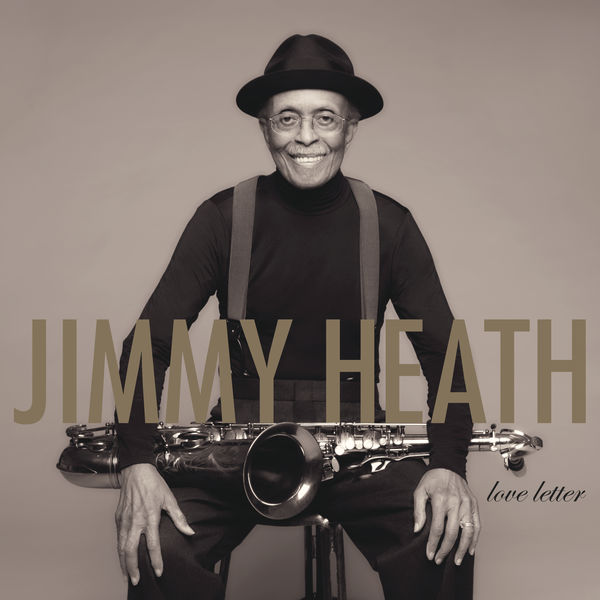
  • Jimmy Heath: Love Letter (Verve)
    • Jimmy Heath, a saxophonist whose stellar career included being on the stand with virtually every jazz great, from Charlie Parker through today’s up and coming stars, who learned at his feet, passed away last January, at age 93. He left us, as a final gift, Love Letter, an achingly beautiful album of ballads that he worked on, until just weeks before his death. With guest appearances by Wynton Marsalis, Cecile McLorin Salvant and Gregory Porter and a stellar group of sidemen, that included Kenny Barron on piano, Russell Malone on guitar and the wonderful and woefully under recorded Monte Croft, on vibes, this a fitting valedictory, to a jazz life, well-lived.
  • Eddie Henderson: Shuffle and Deal (Smoke Sessions)
    • Dr. Eddie Henderson turned 80 years old, last October. From the way he looks on the cover of Shuffle and Deal and the way he sounds on the music inside, it is clear, that the good doctor, has found the Fountain of Youth. His trumpet attack is as blistering and energetic as it was when he was first heard, in Herbie Hancock’s Mwandishi band, in the early ‘70’s. With Kenny Barron and “Big Chief” Donald Harrison, alongside him as composers and bandmates, Dr. Henderson, has produced his second straight brilliant album for Smoke Sessions records. Age ain’t nothing but a number, doctor. Keep going for as long as you’ve got masterful music, in your soul.  
  • Theo Hill: Reality Check (PosiTone)
    • Reality Check is pianist Theo Hill’s third album for PosiTone Records. While the prior two were good piano trio dates, Mr. Hill’s decision to expand to a quartet, with rising star vibraphonist Joel Ross, may have been what was needed to move the group from good to great. The instrumentation will draw natural comparisons, to the MJQ but the young members of this group are far more forward thinking and dare I say, modern, in their approach. And when Mr. Hill switches to Rhodes, he elevates this fine group, even higher.  
  • Christopher Hollyday: Dialogue (Self Release)
    • Christopher Hollyday’s comeback, has been one of the feel-good stories in jazz, in the last few years. Signed by Novus/RCA, as part of the jazz young-lions craze of the early ‘90’s, while still in his teens, the young alto saxophonist was earnest but frankly, not yet ready for prime-time. When his career foundered in 1993, Mr. Hollyday returned to teaching and studying, becoming a highly respected educator in San Diego. He made his first record in 25 years, in 2018, the critically acclaimed Telepathy. This year, he followed up with Dialogue, every bit as good as its immediate predecessor. Itcrackles with the energy and self-assurance of a gifted, mature artist. Christopher Hollyday is back and better than ever. Hopefully, this time, it is to stay.
  • Nduduzo Makhathini: Modes of Communication: Letters from The Underworld (Blue Note)
    • From the moment that I first heard Nduduzo Makhathini’s Blue Note debut, I knew that I had some homework to do. A pianist, Mr. Makhathini has been a force on the South African jazz scene for several years. Influenced by Americans such as McCoy Tyner and Andrew Hill, as well as by his countrymen, Abdullah Ibrahim and Bheki Mseleku, he has taken the essence of his homeland’s music and melded it with American jazz, in a way that I’ve heard others attempt but no other has succeeded on such a high artistic level. His was one of the truly fresh and exciting voices that I heard in jazz this year and I look forward to hearing more.
  • Jason Marsalis: Live (Basin Street)
    • Since switching to the vibraphone from the drums, a few years back, it has been fascinating to watch the musical growth of the youngest musical Marsalis brother. On this set, recorded live three years ago, at the famed Little Gems Saloon, Marsalis is more relaxed and in the pocket, than I’ve ever heard him on this instrument. Maybe it’s because he is working with his regular working group or perhaps it is because the set consists of all Jason Marsalis originals. Whatever the reason, he has stepped up his vibraphone artistry, to the next level and this is a very high-quality album.  
  • Christian McBride Big Band: For Jimmy, Wes, and Oliver (Mack Avenue)
    • If you’re like me and a fan of the two classic recordings that Jimmy Smith and Wes Montgomery made in 1966, you know every note of those gems by heart. And like me, when you heard of this project, you wondered what could McBride’s Big Band bring to the table, on a tribute to those albums (and their arranger, Oliver Nelson), that could be fresh and new. For starters, organist Joey DeFrancesco and guitarist Mark Whitfield, are both season veterans, who greatly admire the legends that they are standing in for but smart (and gifted) enough, not to be reduced to imitation. Second, the song selection includes only four tracks from the original two albums and finally, the arrangers only used Oliver Nelson’s charts on the tunes not on the Jimmy and Wes originals. The result is one hell of a good album. Jimmy, Wes, and Oliver would be pleased.
  • Ron Miles: Rainbow Sign (Blue Note)
    • Cornetist Ron Miles’ prior album I Am a Man, brought him near universal acclaim, in the world of jazz and an opportunity to record for Blue Note Records. While Rainbow Sign employs the same musicians as its predecessor, for me, the writing went much deeper and the arrangements were denser. A couple of the songs even swung, in a relatively traditional sense. Mr. Miles composed the music for this album, while caring for his ailing father, up until the time of dad’s passing. That difficult situation may have infused Miles’ writing process. Whether it did or not, the music here, is the best of Ron Miles’ career.
  • Farnell Newton: Rippin’ and Runnin’ (PosiTone)
    • On his second album for Marc Free’s PosiTone Records, trumpeter Farnell Newton has a decidedly groovier sound, precipitated by the presence of organist Brian Charrette. But this is not an all-out Earland/McDuff soul-jazz fest. In fact, this date sounds to these ears, like a more soulful version of Unity, the classic Larry Young album. Charrette is kept grounded by the hard driving but traditional drumming of the great Rudy Royston, while Newton and saxophonist Brandon Wright are flying high. The tension between the conventional and the greasy is palpable, throughout the project and it is what makes the music special.

A reminder, if you are interested in purchasing any of the music that we discuss in these posts, clicking on the album title, will take you to the album’s page on Amazon.com. There is also a Spotify playlist below, which includes a track from each of the albums discussed here, for you to sample. But please don’t just stream. During these tough times, these musicians can use your support more than ever, so if you like it, buy it.

Our next post will feature the final ten of our 30 for ’20. It will be up, tomorrow.

 Thoughts and opinions are welcome, as always, in the comments.

Best Jazz Albums of 2017 (Second Half) – Instrumental Albums: Closer Look – Pt. 2

Posted in Best Jazz Albums of 2017, CD Reviews, curtjazz radio with tags , , , , , , , , , , , , , , , on January 9, 2018 by curtjazz

brenda navarreteOur last look at 2017, covers six more fine instrumental albums; from a living legend, who just keeps getting it done; a thrilling young Cuban percussionist/vocalist; a drummer who has been setting the world on fire; a venerable jazz label, restocking for the future, and an exciting young vibraphonist, who has come of age.

 

In alphabetical order:

Jersey – Mark Guiliana Jazz Quartet (Motema)

The master percussionist drops a fine album of modern jazz, in a totally acoustic setting. The first thing that caught my attention was the pacing; though it is far from languid, it never feels rushed. It is Guiliana’s album but he leads, while never overpowering his sidemen, as will sometimes happen on drummer albums. The revelation for me, is the fine tenor work of Jason Rigby, a powerful player, who to these ears, sounds like frequent Guiliana collaborator Donny McCaslin, filtered through Stan Getz. There are a couple of strong Morrisey penned tracks (“Mayor of Rotterdam” is my fave), another with a swinging, melodic hook, that I have been unable to get out of my head (“Big Rig Jones”) and a David Bowie tune (“Where are We Now”), in a beautiful and fitting tribute to the late legend, who employed Guiliana as the drummer on his last two albums. Call me a dinosaur, if you must but as much as I appreciate Mr. Guiliana’s electronic, beat based work, I love his group in this situation.

Marseille – Ahmad Jamal (Jazz Village)

I’m going to stop mentioning Ahmad Jamal’s age, when I speak of his artistry because it is irrelevant. It is not necessary to make any allowances, as he plays circles around some of the so called top cats, who are less than half his age. He has been inspiring jazz musicians for the past seven decades; his ideas and his energy are still fresh and when he hits the pocket, with his regular sidemen; James Cammack (bass), Herlin Riley (drums) and Manolo Badrena (percussion), you know where a lot of these young pianists who claim to be hip-hop influenced, really got their groove from. On this disc, he pays tribute to the French port city, with three different and equally compelling, versions of the title track: an instrumental; a spoken word, featuring French rapper Abd al Malik and a haunting French/English vocal version, by Mina Agossi. “Autumn Leaves” is given a bright Jamal treatment, which rides high on Badrena’s percussion and a quick quote from “Stolen Moments”. There’s also the funkiest version of “…Motherless Child” that I’ve ever heard. All I can say is, Mr. Jamal, keep on doing what you do, for as long as you want to do it!

Mi Mundo – Brenda Navarrete (ALMA)

I must admit that I made a small error with this album. When I first heard it, I was so impressed with Brenda Navarrete’s skill as a percussionist, that I categorized it as an instrumental album, even though every track includes Ms. Navarrete’s vocals. Now that I taken the time to listen to her singing, I realize that in addition to being one of the best young Afro-Cuban percussionists, that I have heard in many years, she is also an impressive vocalist. Mi Mundo is Ms. Navarrete’s debut album as a leader. It was released digitally, in September, though the CD version will not be out until January 2018. Regardless, I was floored from the first notes of “Baba Eleggua”, as in this young woman’s playing and vocalizing, I felt the spirits of Carlos “Patato” Valdes and Armando Peraza. Yes, she is that good. The album, which includes four of Brenda’s compositions, is deeply rooted in Afro-Cuban traditions, with a touch of modern influences, such as American R&B. Her version of “Caravan”, is a killer, as is her original, “Rumbero Como Yo”, with its multi-tracked vocal line. She demonstrates her jazz chops on “A Ochun”, with its flute driven mid-section and a call and response finish, over insistent jazz chords. There’s not a bad track here. My only minor quibble, is the album’s length (a scant 37 minutes). A very impressive instrumental and vocal debut. I pray that stupid politics, will not keep Brenda Navarrete, from being heard by a wider audience.

Our Point of View – Blue Note All-Stars (Blue Note)

Six of the best young musicians in jazz today, come together to form a supergroup, in celebration of the 75th Anniversary of arguably, the greatest record label in jazz history, Blue Note Records. Those expecting to hear these young cats rehash the old Blue Note catalog of “hits”, are going to be sorely disappointed. The two-disc set consists mostly of original compositions by these young lions. The music has energy, imperfections and thrills. And it also has a future. It is the sound of great musicians, who have respect for where they have come from but who are trying to create something new, relevant and deeply personal. They are, in the words of the group’s keyboardist/co-producer, Robert Glasper, “Making our own history now”. There are a couple of nods to the label’s storied past, in the appearance of two living legends, Herbie Hancock and Wayne Shorter, on a new (and different) version of Shorter’s “Masqualero”. There is also a thrilling, almost 18-minute-long, version of Shorter’s classic “Witch Hunt”, with the core sextet getting to find out where that great old vehicle, will take them. It takes them to a blazing tenor statement by Marcus Strickland and after a slow start, a terrific trumpet solo by Ambrose Akinmusire. As long as minds can remain open and younger cats like these, can keep finding vehicles for their creativity, the music and this label, will have a bright future.

Strykin’ Ahead – Dave Stryker (Strikezone)

The latest in a series of fine albums from this veteran guitarist, takes him out of the soul jazz bag that he has been in for a number of years and back into straight ahead territory. It’s his best album in at least a decade. Click HERE to read our full album review.


Walk of Fire – Behn Gillece (Posi-Tone)

This up and coming young vibraphonist reaches his potential with this excellent date, inspired, in part, by Joe Henderson’s Blue Note classic, Mode for Joe. Click HERE to read our full album review.


And that’s a wrap for 2017.A reminder of the instrumental albums, on our first half of the year list:

Tracks from all of these albums can be heard on CurtJazz Radio, our new 24/7 Jazz Radio station, on the new Live365.com. Click HERE to listen, it’s free.

Much new music to hear in 2018. Let’s enjoy it together!

Best Jazz Vocals of 2017 (Part 2): A Closer Look

Posted in Best Jazz Albums of 2017, CD Reviews, Video Vault with tags , , , , , , , , , on January 2, 2018 by curtjazz

Happy New Year, everyone.

Well, this didn’t work out the way I intended.

ori dagan nathanielI posted my “Best of; Pt. 2”, list a couple of weeks ago, fully expecting to follow quickly with comments on each of the albums. This vicious strain of the flu that is out this season, had other ideas. The last thing I will say about Flu 2017/18, is I haven’t had any bug knock me out like that in at least 20 years. It’s real, it’s quick, and it’s strong; so please take care of yourselves.

Now back to the Music – The five best jazz vocal albums that I heard during the last half of 2017, in alpha order by album title:


Code Noir – Carmen Lundy (Afrasia)

Another brilliant work from this vocal master, Code Noir (which takes its title from the infamous French colonial slave laws) is a lush and dreamily soulful album. Don’t let the ethereal qualities lull you into a false sense of relaxation, lest you miss some of the most poignant lyrical messages of Ms. Lundy’s career. The marvelous Patrice Rushen is on the keys, reminding those who may have forgotten, that she is far more than just “Forget Me Nots”. The underrated Jeff Parker plays some dynamite guitar.  Listen once (or twice) for the lyrics, then let yourself get lost inside of the marvelous instrument that is Ms. Lundy’s voice. There’s not another one like it today in jazz.

Dreams and Daggers – Cecile McLorin Salvant (Mack Avenue)

I must keep reminding myself that she is not yet 30 years old. But that’s a frightening statement because it’s also a reminder that, as good as she is, Cecile McLorin Salvant, has still not yet reached her pinnacle. This is her first live album (mostly recorded at the legendary Village Vanguard), a two-disc set and there’s not a dud in the bunch. She is wondrously accomplished, self-assured, captivating and funny and often, she is all of these things, at once. I also loved the fact that there are very few tired old warhorses; Ms. Salvant mines the songbooks of Bob Dorough, Langston Hughes, (a hilariously raunchy) Bessie Smith, and the quirky, tongue in cheek sides of Broadway scores. And she makes them all her own. I will also no longer compare her, even favorably, to some of her legendary forbearers, for Cecile McLorin Salvant, has arrived, on her own terms.

Grace – Lizz Wright (Concord)

I would love this album, if only for the fact that it once and for all, reclaims Allen Toussaint’s wonderful “Southern Nights” from that crude and misguided megahit Glen Campbell version, after forty years. But there’s so much more here.  On her own work, Ms. Wright consistently delivers a beautiful and deeply personal amalgam of jazz, gospel and bluesy folk music. I’ve been listening intently since her impressive 2003 debut, Salt and she has never been better than she is on Grace. It is a starkly beautiful and majestic work of art, with songs by artists as diverse as Ray Charles, Bob Dylan and Sister Rosetta Tharpe. If you love the sacred or the secular, you will be completely filled with Grace.

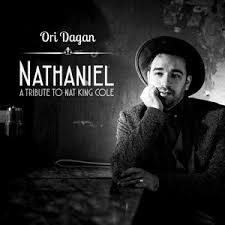
Nathaniel (A Tribute to Nat King Cole) – Ori Dagan (Scat Cat)

There were higher profile vocal tributes to the great “King” Cole in 2017 but none were better than this surprising effort from the up and coming Canadian baritone. Ori Dagan keeps proceedings fresh by using his customary sense of humor and by adding 5 of his own compositions, most of which are quite good. In fact, a couple fit in so well, that I assumed that they were quirky, novelty rarities from the King Cole Trio’s heyday, until I read the liner notes. Mr. Dagan also wisely avoids anything that would even approach a perceived impersonation of one of the great voices and stylists of the 20th Century. So, what do we get? We have one of the unique talents of contemporary jazz singing, bringing us his interpretation of some tunes closely and not-so-closely associated with the legend. I like what he was going for, and overall, I loved how it turned out. Plus, he’s got the estimable Sheila Jordan, guesting on a delightful take of “Straighten Up and Fly Right”. Even a Cole fan like me, couldn’t ask for much more.

Rendering – Kellye Gray (Grr8)

This album by this husky-voiced vocalist has the most interesting backstory of any on this list: In 1989, Kellye recorded Standards in Gray, her debut album, for Justice Records, a small Houston area label (I loved many of their releases). It received good press and sold relatively well. However, when Justice fell on hard times, the album went out of print. In 2015, 25 years after Standards in Gray’s release, Ms. Gray gained ownership rights to her album. She decided to crowd-fund and produce a live concert/album, in tribute to the original album, including new recordings of some of the tracks on Standards… The result is the terrific Rendering, a 2 CD set, that includes the new live recordings and a copy of the first album.

Ms. Gray had escaped my notice, until this package arrived at my door. Suffice to say, I am very impressed. While Standards in Gray, is a portrait of a young, big voiced singer, with loads of promise, Rendering, shows us that in the ensuing 25 years, Kellye Gray has made the transition from earnest singer to jazz vocalist. That wonderful instrument of hers has developed nuance and a certain bit of inimitability. She has learned her way around and through a song; which makes the live album, very compelling and worthy of multiple listens.  The arrangements are first rate, as are her sidemen, including the late drummer Sebastian Whittaker, who played on the first date and poignantly, in one of his last recordings, on the live album as well. If your new to Ms. Gray (like me), my advice is to start with these two albums and work your way back. There’s a lot of fine music there.

And those are my five vocal favorites for the 2nd half of 2017.

A reminder, these were my selections for the 1st half of the year:

You can click HERE to read my post about that Fab Five.

Now that the flu is almost behind me, I’ve got a lot of posting to catch up on. Next will be the Instrumental album for the second half of the year.

Tracks from these albums and more can be heard on the new CURTJAZZ RADIO, our 24/7 jazz radio station, on the new Live365.com.

Stay healthy, my friends!

2018 Jazz Grammy Nominations

Posted in 2018 Grammys with tags , , , on November 28, 2017 by curtjazz

the-grammys-logoCongratulations to all of the nominees for the 60th Grammy Awards, in the Jazz categories. The awards will be handed out on Sunday, January 28, 2018; at Madison Square Garden, in New York. As usual, the Jazz categories will be presented during the segment of the program that takes place, prior to the live network broadcast. You will be able to stream the pre-show, online.

The nominees are:

Best Improvised Jazz Solo:
“Can’t Remember Why” — Sara Caswell, soloist
“Dance Of Shiva” — Billy Childs, soloist
“Whisper Not” — Fred Hersch, soloist
“Miles Beyond” — John McLaughlin, soloist
“Ilimba” — Chris Potter, soloist

Best Jazz Vocal Album:
The Journey — The Baylor Project
A Social Call — Jazzmeia Horn
Bad Ass And Blind — Raul Midón
Porter Plays Porter — Randy Porter Trio With Nancy King
Dreams And Daggers — Cécile McLorin Salvant

Best Jazz Instrumental Album:
Uptown, Downtown — Bill Charlap Trio
Rebirth — Billy Childs
Project Freedom –Joey DeFrancesco & The People
Open Book — Fred Hersch
The Dreamer Is The Dream — Chris Potter

Best Large Jazz Ensemble Album:
MONK’estra Vol. 2 — John Beasley
Jigsaw — Alan Ferber Big Band
Bringin’ It — Christian McBride Big Band
Homecoming — Vince Mendoza & WDR Big Band Cologne
Whispers On The Wind — Chuck Owen And The Jazz Surge

Best Latin Jazz Album:
Hybrido – From Rio To Wayne Shorter — Antonio Adolfo
Oddara — Jane Bunnett & Maqueque
Outra Coisa – The Music Of Moacir Santos — Anat Cohen & Marcello Gonçalves
Típico — Miguel Zenón
Jazz Tango — Pablo Ziegler Trio

Album Review: Harmony of Difference – Kamasi Washington

Posted in CD Reviews with tags , , , , , on October 21, 2017 by curtjazz

KAMASI WASHINGTON – Harmony of Difference (Young Turks)

kamasi - harmony of differenceSaxophonist Kamasi Washington turned the jazz world upside down two years ago with his aptly titled, 2 CD, 174-minute debut album, The Epic. After such an expansive beginning, we all wondered what he would do for an encore. So here now, is Harmony of Difference, which once again, is creating major buzz among forward-thinking jazz lovers. It shares some things with its heralded forerunner; the arrangements are dense, insistent and never dull; Mr. Washington’s tenor is still edgy, yet melodic. However, Washington and company have opted for the “less is more” approach, as Harmony of Difference is an EP, clocking in at a scant 32 minutes, with only one of the six performances exceeding five minutes in length.

Personally, I love the brevity. For as good as The Epic is, it did get weighed down in spots by its, dare I say, “Epic-ness”. This time around we are treated to five short, expressive excursions, that take us through a survey of many modern jazz styles, from soul jazz, to post-bop, to Brazilian. “Desire”, the opener, owes its lush, melodic groove to those great Bob James arrangements during the heyday of CTI Records. “Humility”, is a horn driven, bop based, workout that packs a lot of great things into a little under three minutes, including terrific solo turns from Cameron Graves on piano, Dontae Winslow on trumpet and Washington on tenor. “Perspective” is irresistible pop soul jazz, reminiscent of some of the fine, early work of another Washington, named Grover. And “Integrity” takes us on a nice trip to Rio by way of the West Coast Get Down collective.

Finally, there is “Truth”, the 13 ½ minute centerpiece of this EP, which was first released last spring, at the Whitney Museum’s 2017 Biennial, along with an accompanying short film, directed by AG Rojas. It is a perfect counterpoint to the concision of the preceding selections, as the track builds, layer upon layer, keyboards, then guitar, then vibraphone, brass and finally, a wordless vocal choir. Once it builds to a crescendo, Washington steps in with a head nodding, groove permeated solo, which is then followed by the choir and orchestra, returning to triumphantly restate the theme. It is anthemic, beautiful and deceptively simple.

Though Harmony of Difference is much shorter than its predecessor, it is no less of a complete musical statement. It is a luminous example of what I see, as 21st century jazz.

Rating: 4 ½ out of 5 Stars – Another triumph for Kamasi Washington and company.